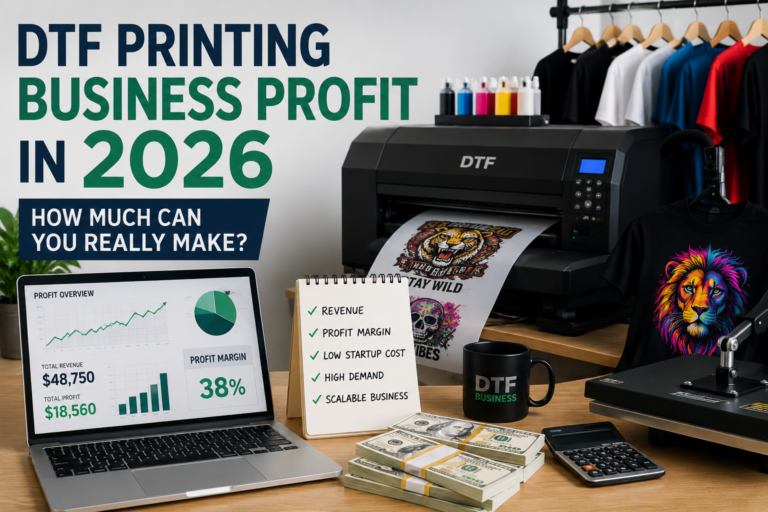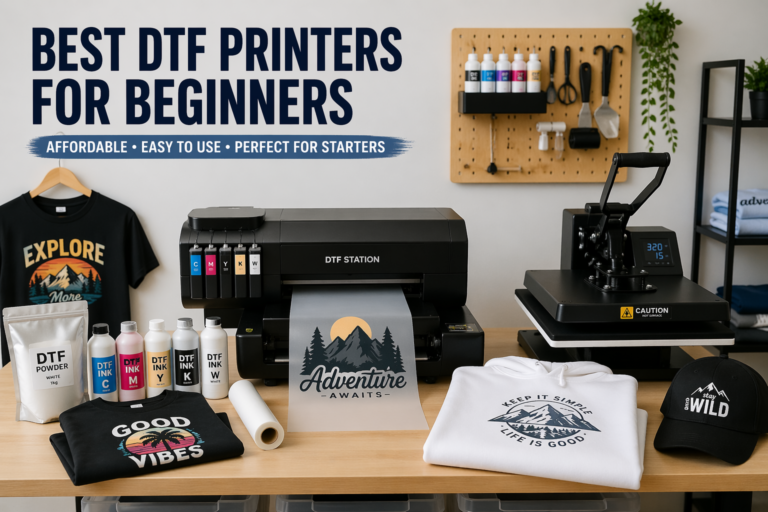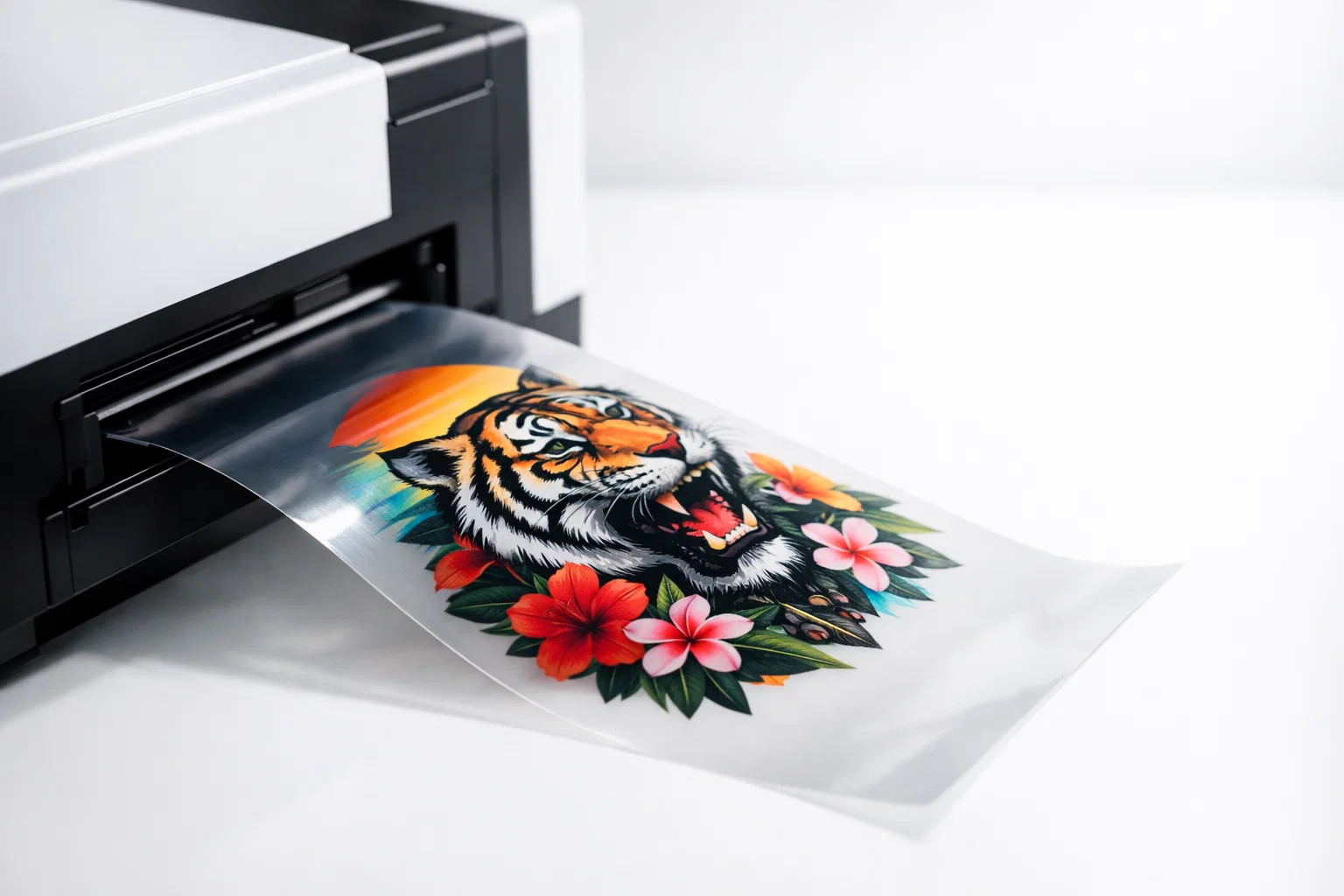
DTF printing continues to gain momentum as a leading custom apparel production method in 2026.
Direct to Film printing is moving into 2026 with strong momentum, and many in the print and apparel industry are asking the same question: is DTF about to become the defining printing trend of the year?
Search behavior, business adoption, and production data all point in the same direction. DTF printing is no longer an emerging technique. It is becoming a core production method for custom apparel brands, online sellers, and local print shops worldwide.
This shift is exactly the type of topic Google Discover prioritizes: timely, trend driven, visually engaging, and relevant to fast growing industries.
Why DTF Printing Is Surging Going Into 2026
DTF printing fits perfectly with how modern apparel businesses operate. It allows production flexibility without the heavy setup costs associated with traditional printing methods.
The main reasons behind its rapid growth include:
Ability to print transfers ahead of time and press on demand
Works on cotton, polyester, blends, and performance fabrics
No garment pre treatment required
Strong color output with high wash durability
Low barrier to entry for new businesses
As consumers continue to demand personalized products with fast turnaround times, DTF meets both expectations efficiently.
Technology Advances Driving DTF Adoption
DTF technology entering 2026 is significantly more refined than early generation systems. Hardware manufacturers and material suppliers have focused on reliability, speed, and consistency.
Key improvements shaping the market include:
More stable white ink circulation systems
Higher resolution print heads with faster output
Improved film coatings for cleaner transfers
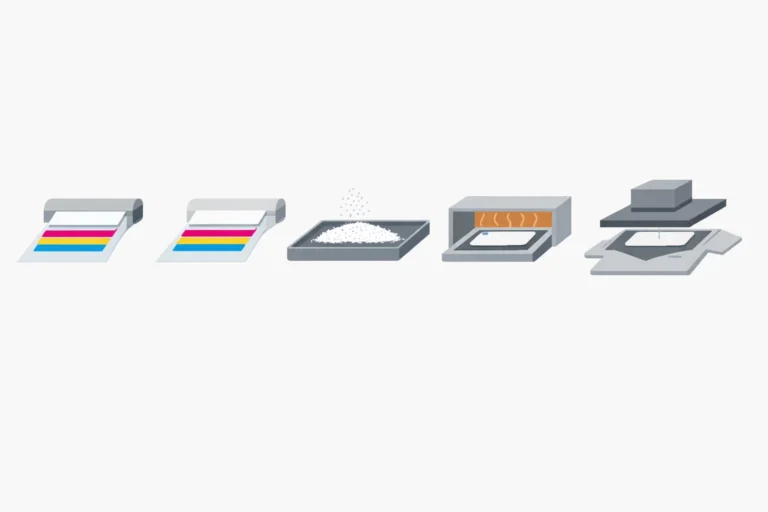
Automated powder application and curing workflows
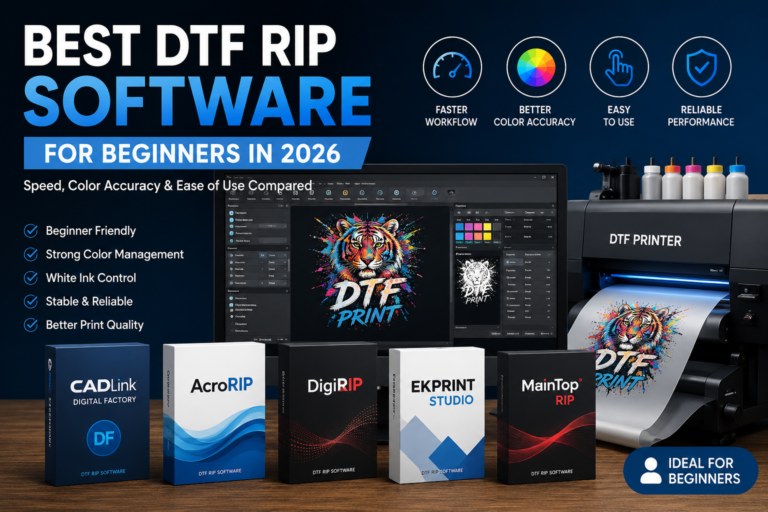
Smarter RIP software with accurate color control
These upgrades reduce production errors and make DTF suitable for higher volume commercial environments, not just small shops.
Why Print Businesses Are Choosing DTF
From a business perspective, DTF offers flexibility that few other printing methods can match.
Print shops are using DTF to:
Expand services without major capital investment
Serve ecommerce and on demand orders efficiently
Reduce waste caused by setup heavy processes
Offer white label DTF transfers to other brands
This business model aligns closely with current ecommerce trends, which is why DTF content performs well in Google Discover and AI driven search results.
How DTF Compares to Other Printing Methods
DTF stands out because it balances quality, speed, and versatility.
DTG printing produces soft results but struggles with dark garments and scaling
Screen printing excels in bulk but is inefficient for short runs
Heat transfer vinyl works for simple designs but lacks fine detail
DTF fills the gap by delivering professional results with minimal setup and broad fabric compatibility.
Sustainability and Material Innovation
Sustainability is becoming increasingly important in 2026 purchasing decisions. DTF suppliers are responding with improvements such as:
Water based, low odor inks
More efficient curing systems
Reduced material waste through batch production
Early movement toward recyclable film solutions
While DTF is not fully sustainable yet, its efficiency helps reduce reprints and overproduction compared to traditional methods.
What Industry Trends Suggest for 2026
Market signals suggest DTF adoption will continue accelerating throughout 2026, particularly among:
Small and mid sized print shops
Online apparel brands and marketplace sellers
Local businesses offering custom transfers
B2B decorators expanding service lines
As competition increases, businesses that optimize DTF workflows early are likely to gain stronger margins and faster fulfillment times.
Final Take: Is DTF the Printing Trend of 2026?
DTF printing has moved beyond experimentation. In 2026, it represents a proven, scalable, and profitable solution that aligns with modern consumer demand and digital commerce models.
For publishers, brands, and print businesses alike, DTF is not just a keyword trend. It is a real world shift in how custom apparel is produced and delivered.
This is exactly why DTF focused content is gaining visibility in Google Discover, AI answers, and trend driven search experiences.
About the Author