DTF printing continues to gain adoption as print shops prepare for 2026 demand.
Direct to Film printing continues to gain momentum across the global print industry as businesses prepare for rising demand in 2026. What was once viewed as a supplemental decoration method is now becoming a central production technology for custom apparel, promotional products, and on demand printing models, reinforcing the view that DTF is shaping one of the defining printing trends heading into 2026.
Across North America and Europe, print shops of all sizes are restructuring their workflows around DTF. The shift reflects changing customer expectations, growing ecommerce demand, and continued improvements in DTF hardware and consumables.
Industry insiders note that DTF adoption is no longer limited to startups or small studios. Mid sized and high volume production shops are increasingly integrating DTF as a primary solution rather than a backup option.
Print Shops Are Rethinking Production Models
Throughout 2025, many print businesses relied on a mix of DTG, screen printing, and heat transfer vinyl. As 2026 approaches, that balance is shifting. DTF is being positioned as a flexible core process that supports a wider range of order types.
Print shop owners cite several operational advantages driving the change:
-
Faster turnaround times for short and medium runs
-
Ability to print transfers in advance and press later
-
Reduced setup complexity compared to screen printing
-
Consistent output across cotton, polyester, blends, and specialty fabrics
This flexibility allows shops to accept more diverse orders without expanding floor space or increasing staffing levels.
Ecommerce and On Demand Sales Are Fueling Growth
The continued expansion of ecommerce is playing a major role in DTF’s rise. Online apparel brands and marketplace sellers increasingly depend on fast fulfillment, low minimums, and flexible production methods.
DTF printing supports ecommerce workflows through on demand heat transfer production models by enabling:
-
On demand pressing after orders are confirmed
-
Reduced inventory through transfer stockpiling
-
Easier scaling during seasonal or promotional spikes
For businesses operating on platforms like Shopify and Etsy, DTF offers a way to remain competitive in on demand apparel printing without committing to large production runs.
Technology Improvements Are Lowering Entry Barriers
DTF systems entering the market in late 2025 and early 2026 are more stable and user friendly than earlier generations. Manufacturers have focused on reliability, automation, and ease of maintenance.
Recent advancements include:
-
Improved white ink circulation systems
-
More consistent transfer film coatings
-
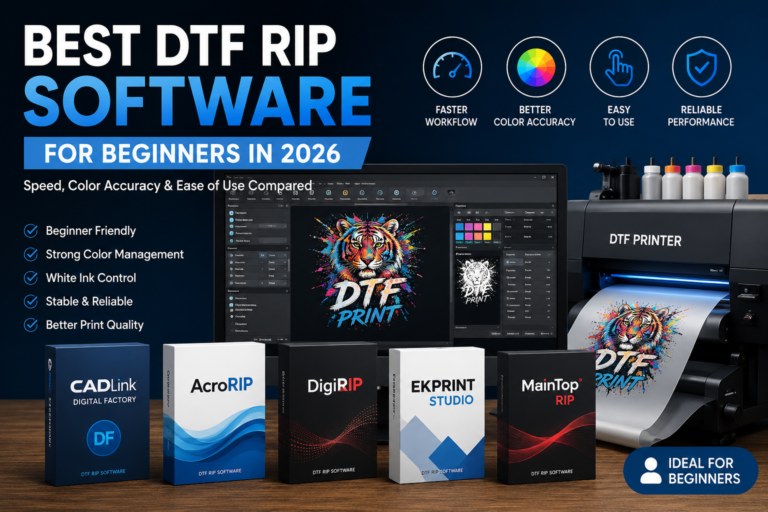
Cleaner color reproduction through updated RIP software
-
Automated powder application and curing solutions
These improvements reduce downtime and make DTF more accessible to businesses without specialized technical staff.
Expanding Beyond Traditional Apparel
While apparel remains the primary use case, DTF applications are expanding into new product categories. Print providers are increasingly experimenting with transfers for:
-
Tote bags and accessories
-
Workwear and performance fabrics
-
Promotional items and branded merchandise
This versatility allows print shops to diversify revenue streams without investing in additional printing technologies.
Competitive Pressure Is Accelerating Adoption
As more businesses adopt DTF, competitive pressure is increasing across local and online markets. Shops that rely solely on traditional methods risk longer turnaround times and higher operational costs.
DTF offers a way to remain competitive by improving efficiency while maintaining high print quality. This has led many businesses to adopt hybrid workflows that combine DTF with existing production methods.
Market Outlook for 2026
Industry analysts expect DTF printing to continue gaining market share throughout 2026. Adoption is strongest among businesses seeking flexibility, lower upfront investment, and compatibility with modern ecommerce operations.
As competition intensifies, print shops that optimize DTF workflows early are likely to benefit from faster fulfillment, higher margins, and improved customer retention.
Final Thoughts
DTF printing is no longer an emerging trend. Heading into 2026, it is becoming a standard production method for print businesses that prioritize speed, customization, and operational efficiency.
Rather than replacing all existing technologies, DTF is redefining how print shops structure production. For many businesses, it represents a long term shift in how custom products are produced and delivered.
About the Author