DTF film curling issues reported by print shops during winter production conditions.
In many print shops, winter problems do not arrive all at once. They show up slowly.
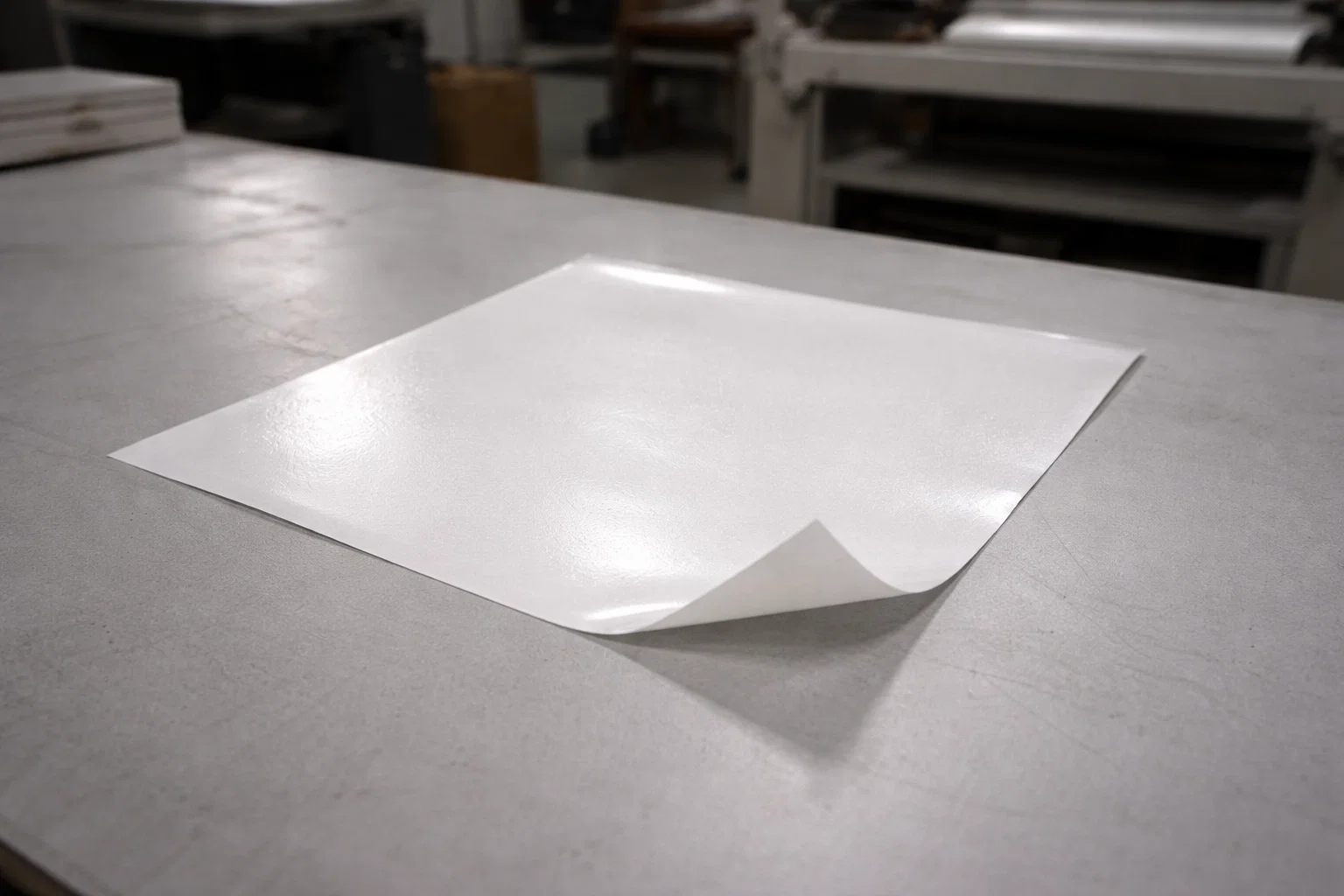
Film that fed cleanly the week before starts lifting at the edges. Sheets refuse to sit flat. Rolls behave differently halfway through a shift than they did in the morning. None of it looks serious at first. But over time, it begins to slow things down.
That is the pattern many DTF operators are describing this winter.
Curling Is Not New, but It Is Happening More Often
Film curling has always existed in DTF printing. What has changed is frequency.
As winter production continues, shops are seeing curling appear earlier in the day and on more jobs. Film that arrives flat does not always stay that way once it enters the shop environment.
Several operators say the issue becomes noticeable only after production is underway. Prints start drifting. Feeding needs constant correction. Alignment that was fine an hour ago suddenly is not.
Cold Air Changes the Room Before Anyone Notices
Most shops do not track temperature changes minute by minute. They feel the room is warm enough and move on.
But winter air behaves differently. Heating systems cycle. Doors open. Dry air moves through the space unevenly. Film reacts faster than people do.
Film stored near exterior walls or loading areas is often the first to curl. Once unwrapped, it can begin lifting within a short period of time, even if it looked stable at delivery.
Some shops report that the same film performs differently depending on which part of the building it sits in.
Feeding Issues Add Up During Busy Shifts
Curling rarely stops production outright. It slows it down.
Edges catch during loading. Sheets need to be reset. Rolls require tension adjustments. Each fix takes seconds. Over a full shift, it becomes minutes. Over a week, hours.
In roll-fed systems, curling can introduce uneven tension that affects registration. In sheet workflows, curled corners prevent film from laying cleanly on the surface.
Operators say the problem is not complexity. It is repetition.
Winter Schedules Leave Little Room for Conditioning
Winter is not a slow season for many apparel shops. Orders return quickly after the holidays, often with limited flexibility.
Film moves from storage to production faster. There is less time to let materials acclimate. Testing gets skipped when schedules tighten.
Under those conditions, curling is often managed reactively instead of preventively. Adjustments are made mid-run, not before it.
Several print managers admit that winter production does not allow for ideal handling. The goal becomes keeping jobs moving.
Material Differences Become More Obvious
Not all films react the same way to cold conditions. Some curl quickly. Others stay flat longer.
Shops that rotate between suppliers or formats notice more variation in winter. A film that was reliable in warmer months may require different handling once temperatures drop.
Curing can contribute as well. Uneven heat exposure during powder curing may increase curl after cooling, especially when production moves quickly.
These effects are subtle. Combined, they are not.
How Shops Are Managing the Problem
Most responses are simple.
Film is kept closer to production areas. Storage locations are adjusted. Some shops add light weight or controlled tension during feeding.
Others focus on consistency rather than ideal conditions. Holding the room steady appears more effective than chasing specific temperature targets.
A few operators say curling has forced them to standardize materials during winter months, limiting film variations until conditions improve.
Curling Often Signals Wider Stress
Experienced operators often treat curling as a warning sign.
When film behavior changes, other issues tend to follow. Static increases. Powder application becomes less predictable. Curing margins narrow.
Addressing curling sometimes exposes broader process instability caused by winter conditions. Fixing one often improves the others.
What Shops Are Expecting Next
As long as winter continues, curling will remain part of daily operations.
Most shops do not expect a clean fix until temperatures stabilize. In the meantime, they adjust, monitor, and adapt.
The presses are still running. Orders are still shipping.
But film behavior is being watched more closely than it was a few months ago.
About the Author