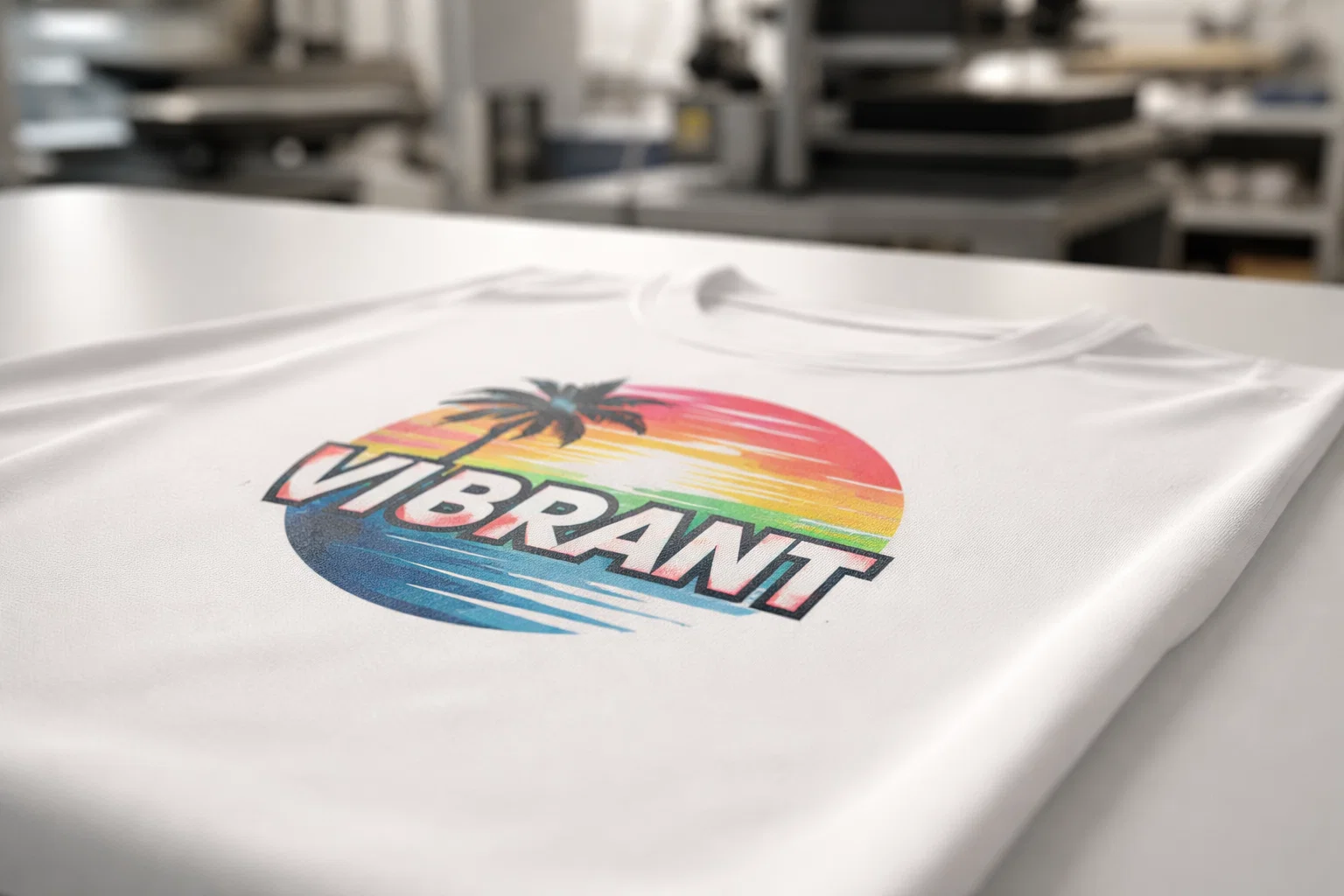
DTF transfers used in polyester apparel production require consistent adhesion and durability.
As polyester apparel production continues to expand across commercial print shops, operators are reporting a noticeable increase in DTF transfer adhesion failures. While DTF printing has gained widespread adoption for its versatility, polyester fabrics are exposing limitations that were less visible on traditional cotton garments.
Print shops that previously relied on predictable transfer performance are now encountering adhesion inconsistencies, especially as order volumes and material diversity increase.
Polyester Fabric Behavior Is Changing Transfer Outcomes
Polyester behaves differently from cotton under heat and pressure. Unlike cotton, polyester fibers respond more sensitively to temperature fluctuations, cooling conditions, and surface preparation.
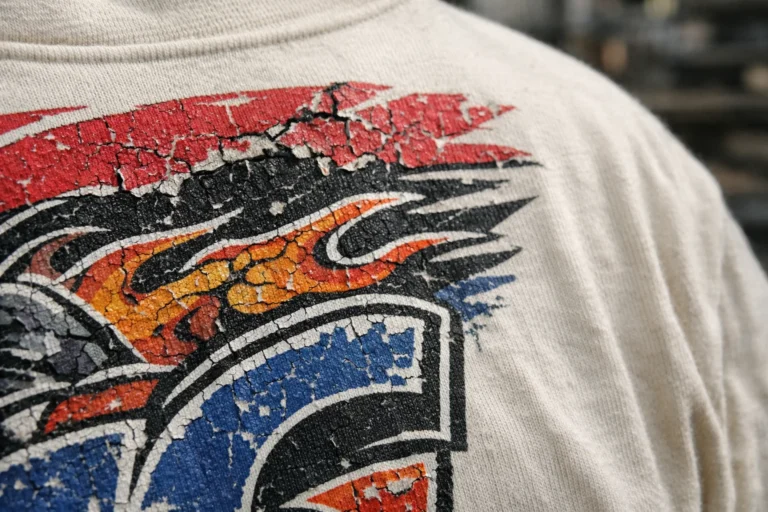
As a result, DTF transfers that bond successfully to cotton may not achieve the same adhesion strength on polyester. In many cases, transfers initially appear secure but begin to show lifting or separation after washing or extended use.
Operators say these failures are not always immediately visible during production, making them difficult to detect before orders leave the shop.
Adhesion Failures Often Appear After Delivery
Increased adhesion failures are often discovered after garments reach customers. Transfers may remain intact during pressing but weaken during normal wear or washing.
Print shops report several recurring adhesion-related issues:
Transfer edges lifting from polyester surfaces
Partial separation across high-flex areas
Reduced bonding consistency between production batches
Transfers peeling earlier than expected in real-world use
These problems increase the likelihood of reprints and reduce overall production efficiency.
Heat Press Sensitivity Becomes More Critical on Polyester
Polyester requires tighter control of heat press conditions compared to cotton. Even small variations in temperature, pressure, or dwell time can affect bonding strength.
Some operators report that press settings optimized for cotton do not produce consistent results on polyester garments. As polyester usage increases, print shops are adjusting press workflows to improve adhesion reliability.
Cooling time is also becoming a more important factor. Transfers that are peeled too quickly may not fully bond to polyester fibers, increasing the risk of premature failure.
Production Scale Amplifies Adhesion Variability
As production volume increases, adhesion consistency becomes more difficult to maintain. Continuous operation can introduce subtle changes in press temperature stability and transfer behavior.
Under high production conditions, even minor inconsistencies in film quality, adhesive powder bonding, or curing can affect final adhesion strength.
Print shops fulfilling large polyester apparel orders are often the first to encounter these challenges, particularly when turnaround times are compressed.
Shops Are Adjusting Workflows to Reduce Adhesion Failures
In response, many operators are modifying production workflows to improve polyester transfer performance. These adjustments include tighter control of press settings, extended cooling periods, and more selective material testing.
Some shops are also reevaluating transfer suppliers to ensure consistent adhesive performance across polyester garments.
These workflow changes reflect a broader shift toward prioritizing long-term durability over maximum production speed.
Adhesion Performance Is Becoming a Key Reliability Indicator
As polyester apparel continues to represent a larger share of production volume, adhesion reliability is emerging as a critical performance metric for DTF workflows.
Transfers that perform consistently across different fabric types help maintain production stability and reduce costly reprints.
Print shops that closely monitor adhesion performance are better positioned to maintain output quality while adapting to evolving apparel production demands.
Looking Ahead
As polyester apparel adoption continues to grow, DTF transfer adhesion failures are likely to remain a focus for print operators. Workflows that prioritize consistent press control, reliable transfer quality, and proper cooling procedures will play a central role in maintaining production reliability.
Shops that adapt to polyester-specific adhesion requirements are expected to reduce failure rates and maintain more predictable production outcomes as DTF printing continues to scale.
About the Author