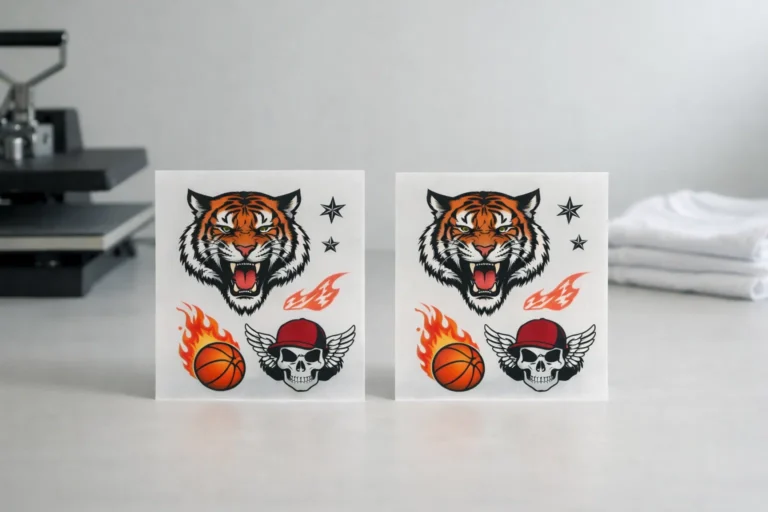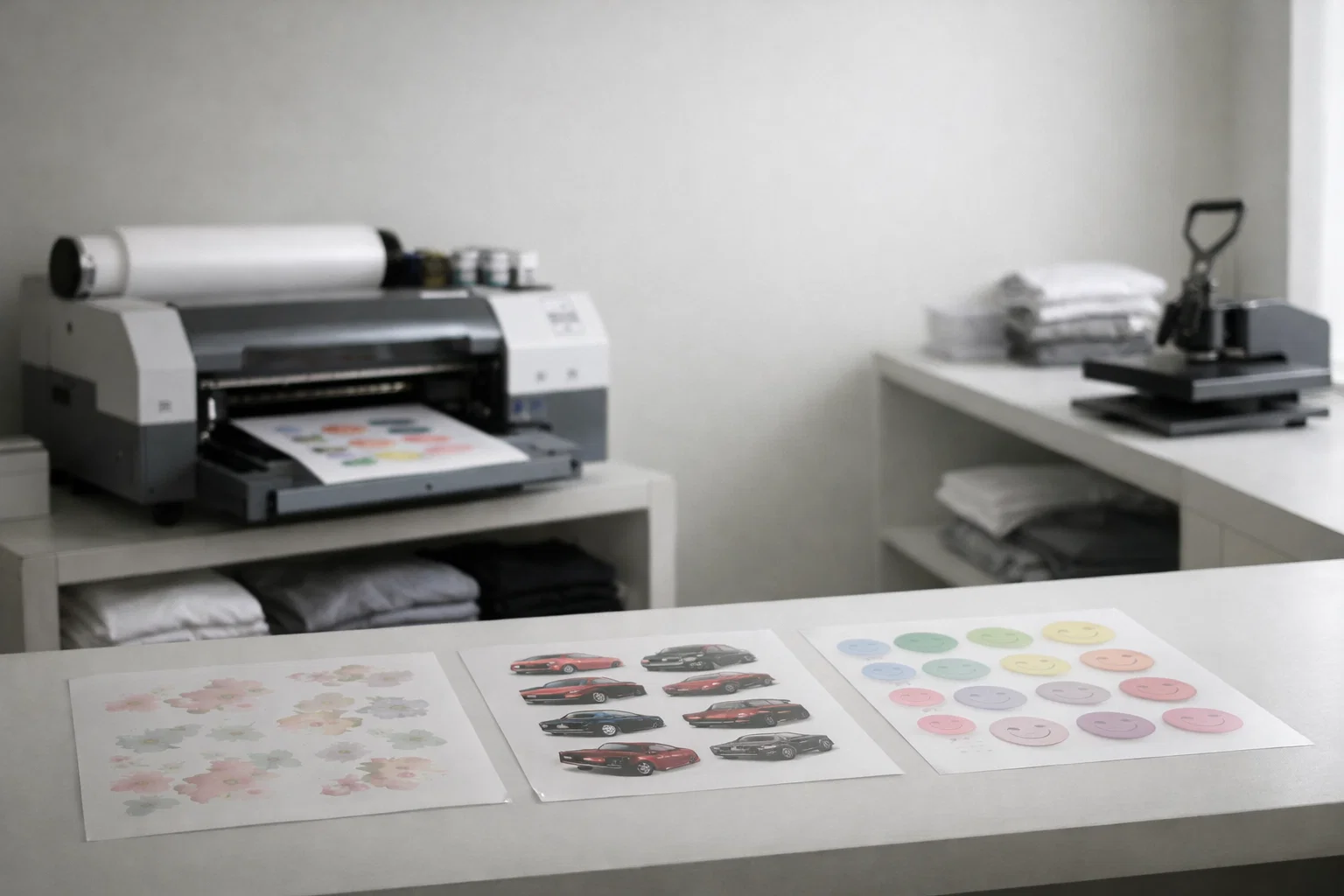
Subtle color variation becomes more noticeable during high-volume DTF production.
As DTF production scales across apparel print shops, color inconsistency is emerging as a growing concern. Operators report that designs which appear stable during short runs can shift subtly when production extends across longer sessions. While demand remains steady, maintaining uniform color output is becoming more difficult as volume increases.
At lower production levels, minor color variation often goes unnoticed. When output grows, those same variations repeat across dozens or hundreds of transfers. Small differences in saturation, contrast, or white underbase coverage become easier to spot when finished garments are compared side by side.
Higher Volume Exposes Color Drift
Print shops say color drift becomes more noticeable during extended production runs. Continuous printing places greater stress on ink behavior, curing consistency, and environmental stability. Over time, these factors can introduce gradual changes that are difficult to correct once a run is underway.
Operators note that color shifts rarely appear suddenly. Instead, they develop slowly across a shift, making them harder to detect until production is well underway. By the time inconsistencies are identified, a significant portion of output may already be affected.
Environmental Conditions Play a Larger Role
As production scales, environmental factors appear to have a stronger influence on color consistency. Temperature changes, humidity fluctuations, and airflow patterns inside production spaces can affect how inks behave over time.
While short test prints may appear unaffected, longer sessions allow these variables to compound. Shops operating in shared or seasonal environments report that color variation becomes more difficult to control during extended runs.
Calibration Becomes More Frequent
To address these issues, many operators report increasing calibration frequency. Color checks that were once performed once per day are now repeated multiple times per shift. This helps reduce visible variation but introduces additional pauses in production.
Frequent calibration improves accuracy, but it also slows output and increases labor involvement. Shops must balance visual consistency against throughput, especially when handling time-sensitive orders.
Customer Expectations Continue to Rise
As DTF adoption grows, customers are becoming more sensitive to color consistency. Repeat clients expect designs to match previous orders closely, regardless of production volume or timing. Even small variations can lead to complaints or reprints when brand colors are involved.
Print shops handling contract work or recurring designs describe color accuracy as one of the most closely monitored quality factors.
Color Management Enters the 2026 Conversation
Looking ahead, experienced operators expect color consistency to remain a central challenge for scaled DTF production. As volumes rise, informal workflows often give way to more structured quality control practices.
While DTF remains a flexible and efficient printing method, maintaining consistent color output is becoming a defining requirement of long-term growth. For many shops, addressing color inconsistency is now part of a broader effort to scale responsibly without sacrificing quality.
About the Author