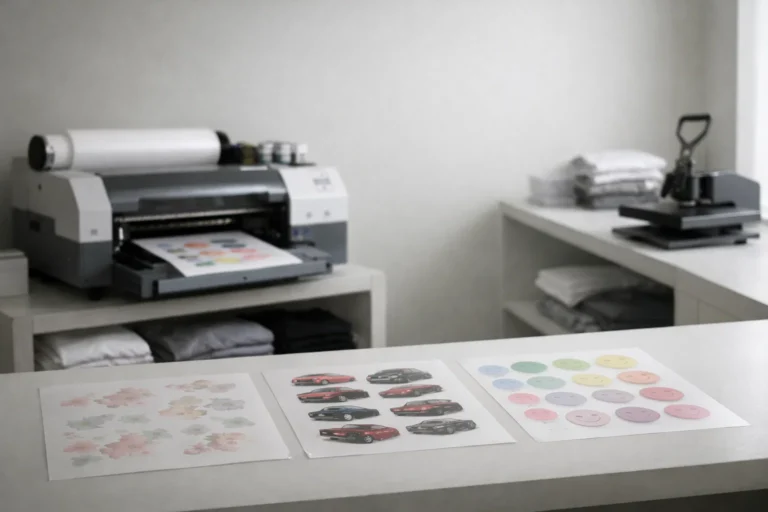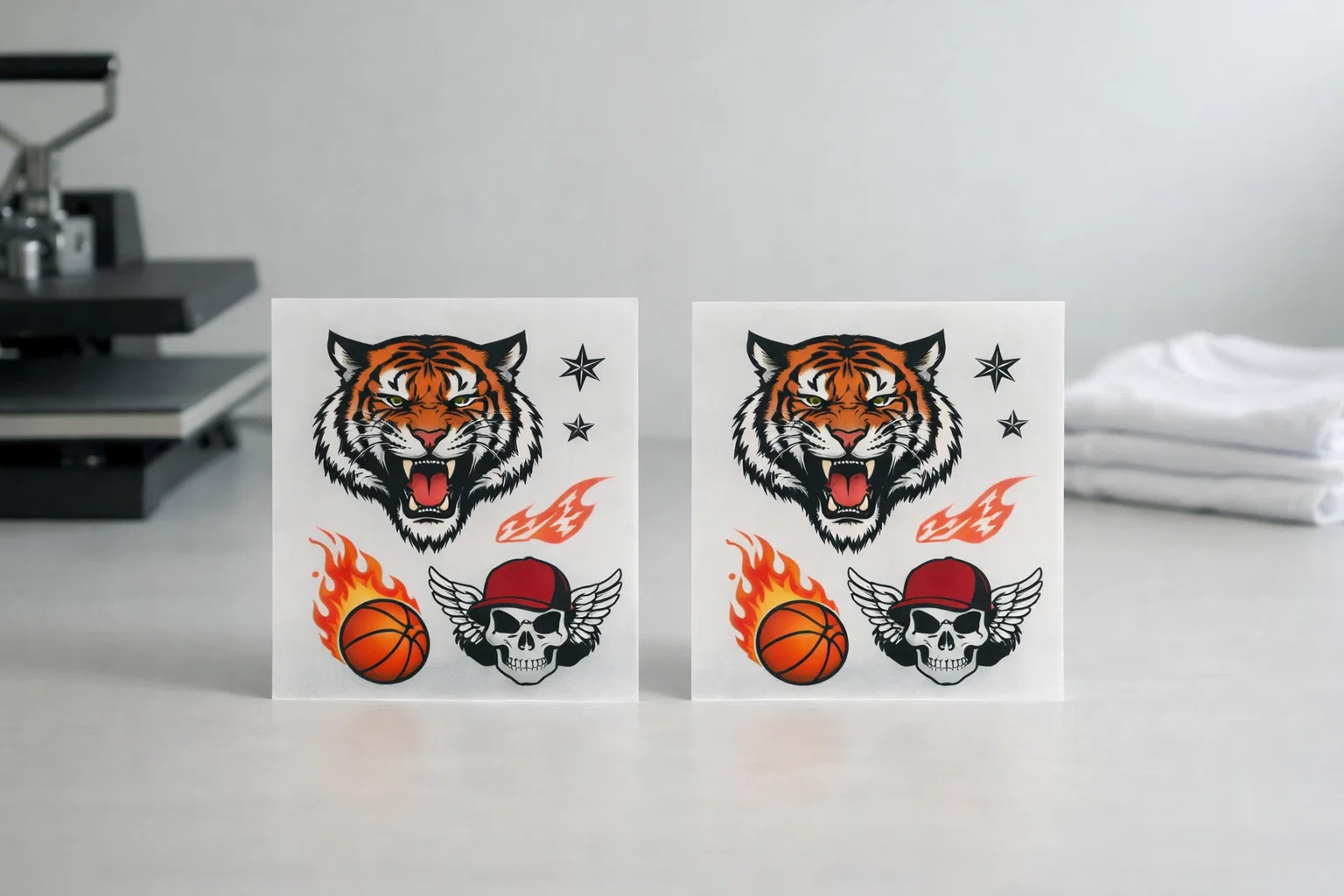
DTF prints can vary visually even when produced using identical settings.
Many apparel sellers and print shop customers assume that once DTF settings are dialed in, results should remain consistent. The same design, the same file, the same printer profile. Yet in practice, prints can still look different from one order to the next. Operators say this is one of the most common questions they hear as DTF production scales within modern DTF printing workflows.
The issue is rarely caused by a single mistake. Instead, it is usually the result of small variables that become more noticeable over time.
Settings Are Only Part of the Equation
DTF settings control important factors like ink density, curing time, and transfer temperature. But those settings operate within a larger production environment. When conditions around the printer change, output can change as well, especially in scaled DTF production workflows.
Shops report that even when no adjustments are made, prints produced hours or days apart may show subtle differences. These variations often appear in color depth, contrast, or white underbase coverage and are closely tied to broader color consistency issues seen at higher volumes.
Environmental Changes Add Up
Temperature and humidity play a quiet but significant role in DTF printing. Ink behavior, film handling, and powder adhesion can all shift as environmental conditions fluctuate.
During short runs, these changes may not be noticeable. Over longer production cycles, they can compound. A print produced in the morning may not look exactly the same as one produced later in the day, even with identical settings. This pattern is frequently reported in discussions around DTF color inconsistency.
Operators working in shared spaces or seasonally changing climates report this issue more frequently.
Machine Wear and Ink Behavior
As printers run continuously, internal conditions change. Print heads warm up, ink flow stabilizes or drifts, and curing units settle into slightly different operating ranges.
None of these changes are dramatic on their own. Together, they can alter how ink lays down on film or how transfers cure. Customers comparing prints side by side are often the first to notice these shifts, particularly in high-volume environments where operational variables become harder to isolate.
Calibration Timing Matters
Many shops calibrate at the start of a shift and assume consistency will hold. As volumes increase, that assumption becomes less reliable.
Operators say color checks performed only once per day may not be enough for high-volume production. Some shops now recalibrate multiple times per shift to maintain closer alignment between batches. This approach reflects broader efforts to improve production stability as output scales.
This helps reduce variation, but it also introduces pauses that affect output speed.
Customer Expectations Are Rising
As DTF becomes more widely used for repeat orders and branded products, customers are paying closer attention to consistency. Small differences that might have been overlooked in early orders are now more likely to trigger questions or complaints.
Print shops handling recurring designs report that visual consistency has become one of the most important quality benchmarks.
A Common Reality of Scaled DTF Production
Experienced operators emphasize that variation does not mean DTF is unreliable. Instead, it reflects how sensitive the process becomes at scale.
Maintaining consistent results requires more than fixed settings. It depends on stable conditions, regular calibration, and realistic production pacing, especially as shops encounter the hidden effects of equipment downtime during long production cycles.
For customers wondering why their DTF prints look different despite unchanged settings, the answer is often simple. The process is working as designed, but the environment around it is constantly changing.
About the Author