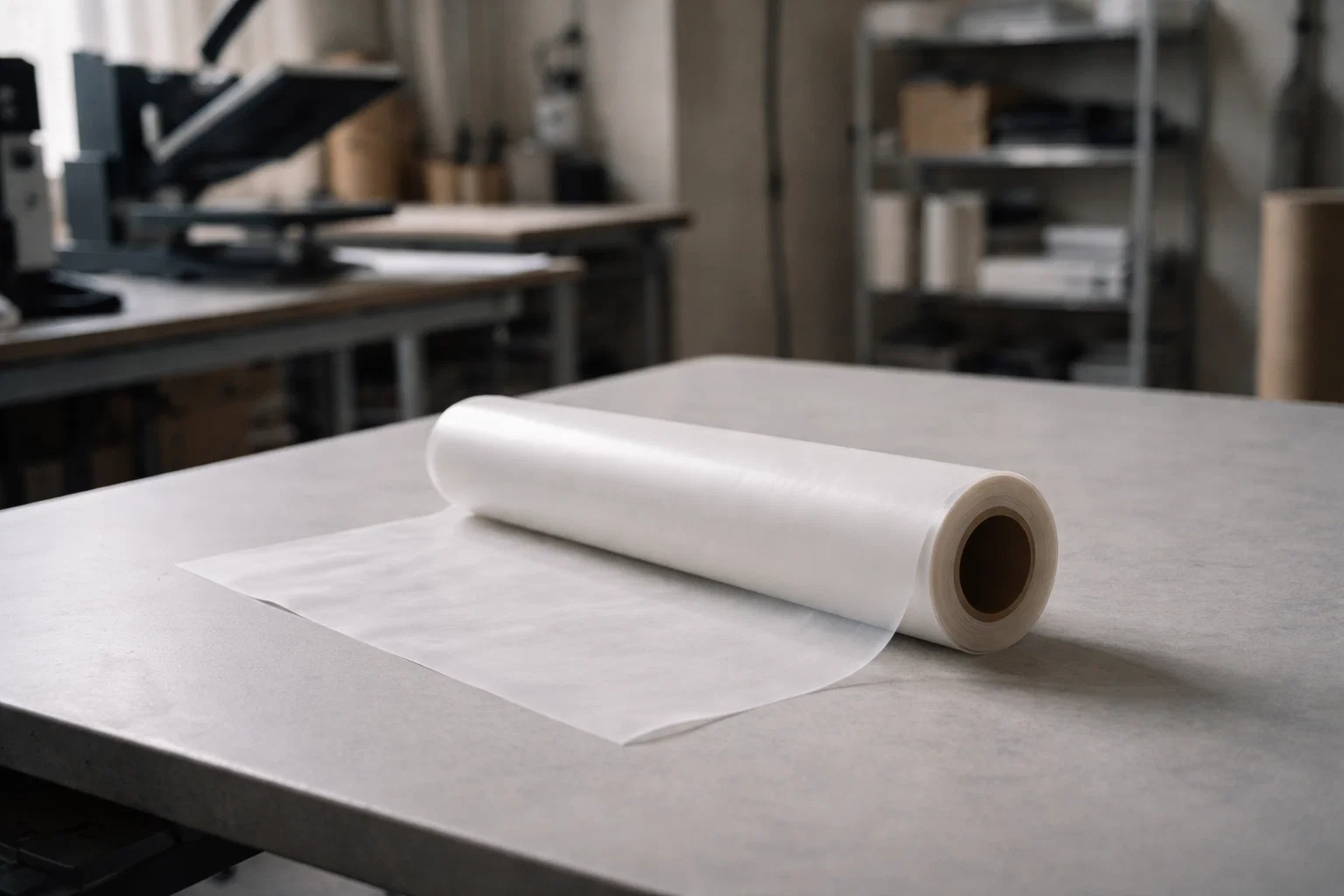
DTF transfer film availability has become tighter as apparel order volumes increase in early 2026.
Early January is usually quiet in many apparel print shops. This year it was not.
Orders returned faster than expected. In some cases, faster than last year. At the same time, something else started to slip. DTF transfers and film that were easy to source in late 2025 suddenly required follow ups, split shipments, or waiting.
Nothing dramatic happened overnight. Presses did not stop. But by the second half of January, several shop owners were saying the same thing in different ways. Getting work was easy. Getting the right film was not.
Demand Came Back First
Most shops expected a slow restart after the holidays. Instead, short run apparel orders arrived almost immediately. Small brands restocking. Event merchandise. Local businesses ordering test batches.
DTF was the default choice for many of these jobs. It still is. Fast setup. Flexible designs. No screens. No long prep.
That also meant dependency. When film availability tightened, there was no quick fallback.
One operator described it as a timing problem more than a shortage problem. Orders landed first. Supply followed late.
It Is Not About Having Film. It Is About Having the Same Film
No one is saying DTF film disappeared. What changed is consistency.
Film that behaved predictably last quarter is suddenly harder to replace. Shops report receiving film that looks similar but prints differently. Ink spreads a bit more. Powder reacts differently. Release feels off.
Individually, these issues are manageable. At scale, they are not.
High volume shops do not have time to recalibrate profiles for every shipment. When consistency breaks, waste increases. Reprints follow. Turnaround slips.
Several operators said the risk is not running out of film. It is running jobs on film they do not fully trust.
Distribution Quietly Tightened
Some pressure appears to be coming from distribution practices rather than manufacturing alone.
Shops that buy in large, recurring volumes report fewer issues. Smaller buyers are seeing longer waits. Partial shipments are more common. Certain sheet sizes are harder to secure without advance planning.
There have been no formal notices. No public statements. Just changed behavior.
Lead times that used to be measured in days are now stretching longer, especially for popular formats. Specialty films are even more unpredictable.
Costs Are Not Exploding, But They Are Moving
There is no clear price spike yet. At least not on paper.
What shops are noticing instead are indirect increases. Higher minimum orders. Less flexible shipping. Fewer options to buy small quantities quickly.
For shops running thin margins on short runs, these details matter. One delayed shipment can force outsourcing. One unexpected restock can tie up cash.
Several operators said they have not raised prices publicly, but they are being more selective about the work they accept.
Inside the Shop, Adjustments Are Already Happening
Most responses are practical, not strategic.
Some shops are holding more film inventory than they are comfortable with. Others are simplifying offerings, reducing film variations to protect consistency.
Outsourcing DTF transfers is being used as a pressure valve, not a long term shift. When internal production becomes uncertain, sending work out keeps promises intact.
Turnaround times are quietly being adjusted too. Same day fulfillment is harder to guarantee when material deliveries are unpredictable.
What This Might Mean Going Forward
This is not a crisis. Not yet.
But it is a signal. DTF has become central to how many apparel shops operate. When supply tightens even slightly, the effects show up quickly on the production floor.
If demand stays elevated into Q2 and supply does not catch up, these small adjustments may become permanent ones. More inventory. More outsourcing. More caution around pricing and promises.
For now, most shops are adapting quietly and moving on. The presses are still running. Orders are still coming in.
They are just watching the supply side more closely than they did a few months ago.
About the Author