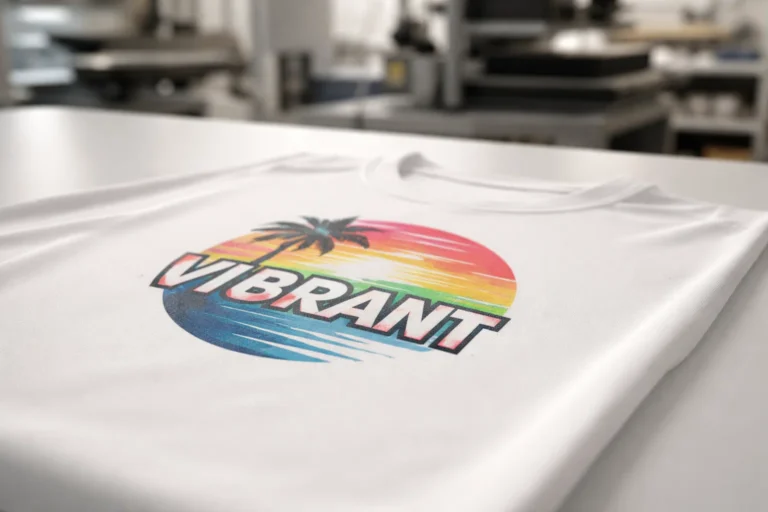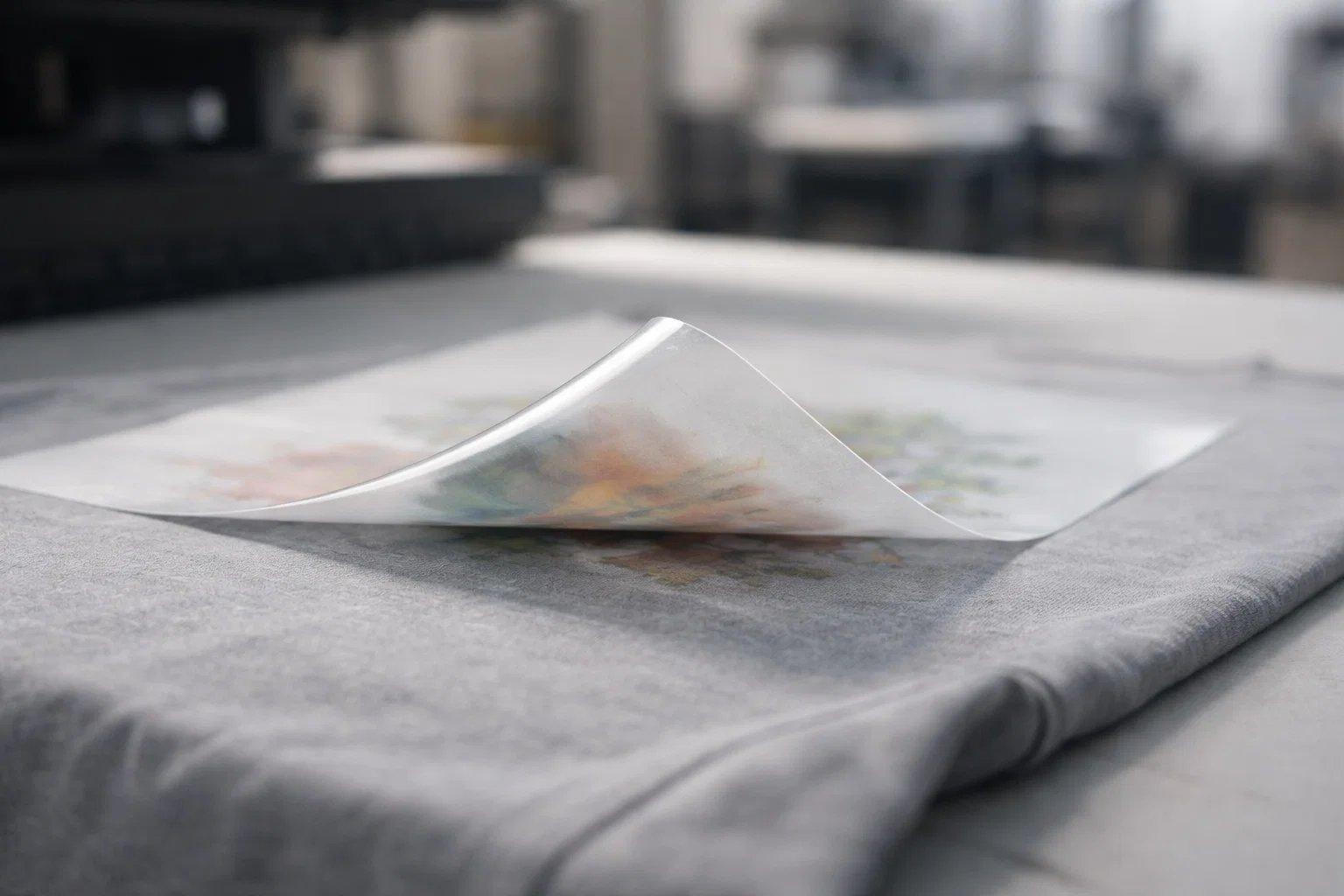
DTF transfer peeling reported by print shops as production speeds increase.
Peeling has always been part of the conversation around heat transfers. It is not new.
What has changed is how often print shops are hearing about it.
In recent weeks, operators across different regions have started to notice a pattern. Jobs are leaving the shop on time. Sometimes ahead of schedule. Then the messages come back. Edges lifting. Transfers cracking. In some cases, entire designs separating after the first wash.
Nothing in the equipment suddenly broke. Most presses are the same ones shops were running last year. The difference appears to be speed.
Turnaround Expectations Shifted First
At the start of 2026, many shops expected a slower ramp up after the holidays. That did not happen. Orders returned quickly, and many came with tight deadlines attached.
Same day production. Next day pickup. Small batches that still needed to move fast.
DTF remains the easiest way to make that happen. No screens. Minimal setup. Flexible artwork. For short runs, it is often the only option that makes sense.
That convenience comes with pressure. When schedules tighten, processes compress. Steps that used to be fixed become flexible. Sometimes too flexible.
Curing Gets Shortened Without Anyone Saying It Out Loud
One of the first places time gets shaved is curing. Not always intentionally.
Oven dwell times get trimmed. Temperatures get nudged down so film moves faster. In busy shops, these adjustments happen quietly. Nobody announces them. They just happen.
Transfers often look fine when they come off the press. Problems show up later, often once the garment has cooled, stretched, or gone through its first wash.
At that point, the job is already gone.
Several operators say peeling complaints now arrive days after delivery, not immediately. That delay makes the issue harder to trace back to a specific decision on the production floor.
Press Conditions Drift During Long Runs
Heat presses behave differently when they run nonstop.
Platen temperatures fluctuate. Pressure changes slightly as equipment heats and cools. When production is rushed, presses rarely get a break long enough to stabilize.
Under normal conditions, these variations might not matter. Under time pressure, they stack.
Polyester blends, performance fabrics, and coated garments tend to expose these weaknesses faster. Peeling often starts at the edges, where pressure and heat are least forgiving.
Material Changes Add Another Variable
Not all peeling is caused by speed alone.
Some shops are working with different films or powders than they were a few months ago. Availability shifts. Suppliers change. Substitutions happen.
Two films can look identical and behave differently under heat. Release characteristics change. Adhesion reacts differently. Powder bonds unevenly.
When these changes overlap with faster turnaround demands, the margin for error disappears.
Several shop owners say they are not worried about running out of film. They are worried about running jobs on materials they have not fully tested.
Customers Do Not See the Tradeoffs
From the customer side, expectations remain simple. Fast delivery. Durable print. No excuses.
Most buyers do not connect faster turnaround with higher failure risk. When peeling happens, it is treated as a quality problem, not a production constraint.
Shops absorb the cost. Reprints. Refunds. Time spent explaining what went wrong.
Some operators say the real cost is not the reprint. It is the disruption. A rushed job that fails often interrupts the rest of the schedule.
How Shops Are Adjusting, Quietly
Few shops are making loud policy changes. Most adjustments are subtle.
Some are slowing curing back down, even if it means longer days. Others are locking press settings and refusing to tweak them mid run.
Several shops report separating rush orders from standard production, instead of mixing everything together. That separation alone reduces mistakes.
Outsourcing is also part of the equation. When internal capacity gets tight, sending work out can protect consistency, even if margins shrink.
The goal is not perfection. It is predictability.
What This Signals for the Year Ahead
DTF transfer peeling is not a new failure mode. What is new is how closely it tracks with speed.
As print shops continue to push faster turnarounds, small compromises compound quickly. The equipment has limits. The materials have limits. Ignoring those limits shows up in the final product.
Shops that slow down just enough to protect adhesion are likely to see fewer complaints. Those that continue to compress workflows may find peeling becoming a regular part of customer feedback.
For now, presses are still running. Orders are still coming in.
But more shops are paying attention to what happens after the job leaves the building.
About the Author