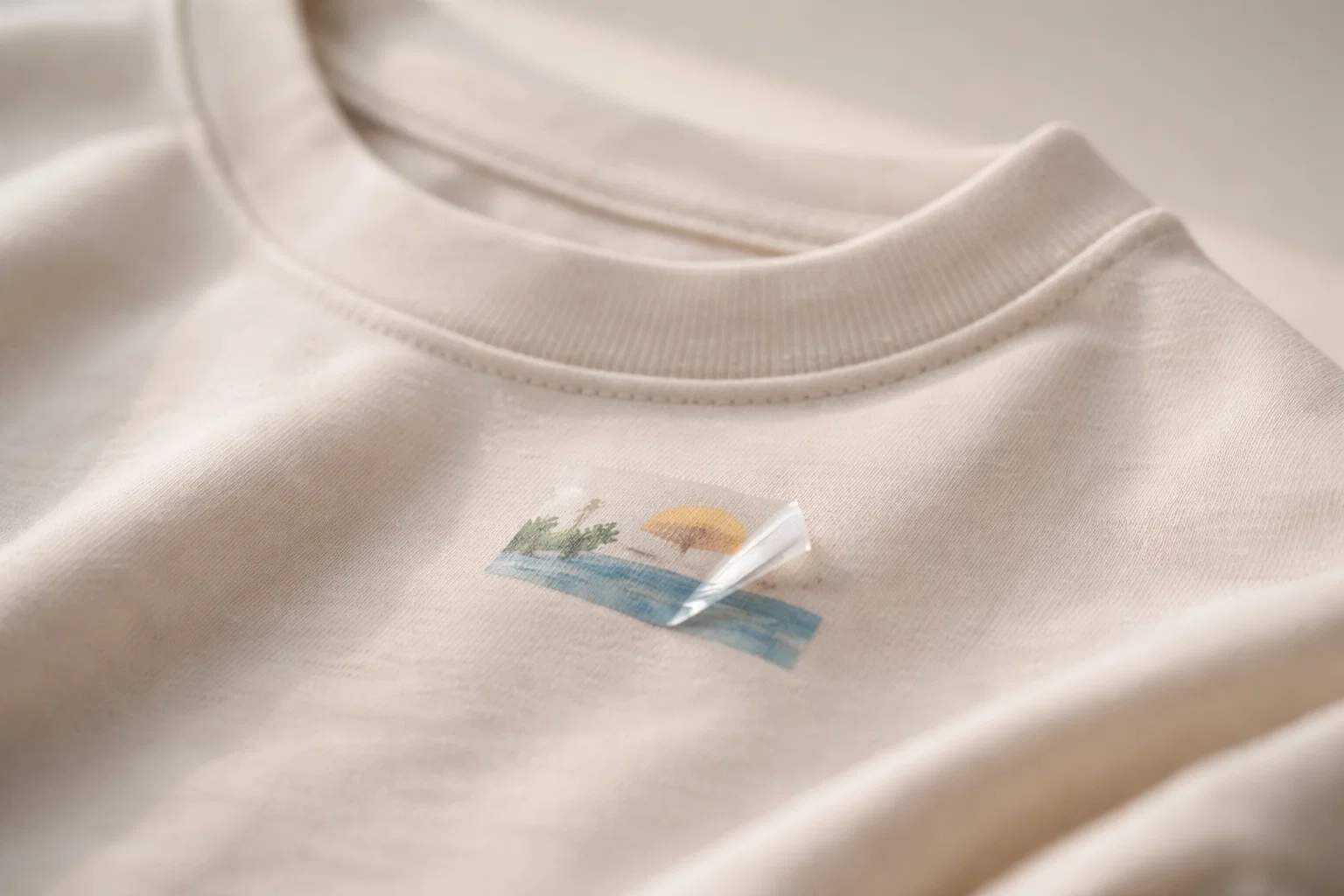
DTF prints can begin peeling after washing if adhesion, curing, or pressing conditions are not fully optimized.
DTF prints that look perfect right after pressing can begin to peel, crack, or lift only after the first wash. This is one of the most frustrating issues for print shops and sellers, especially because the problem often appears after the product has already been delivered to the customer.
In most cases, peeling after washing is not caused by a single mistake. It is the result of small process gaps that only show up once heat, water, and mechanical agitation are introduced during laundering.
Understanding why this happens makes it much easier to prevent.
Why DTF Prints Can Survive Pressing but Fail After Washing
A heat press test only confirms that the transfer adhered under static heat and pressure. Washing introduces completely different stress factors:
-
Repeated flexing of the fabric
-
Water absorption and fiber swelling
-
Detergent chemicals
-
Heat changes during drying
-
Mechanical friction inside the washer
If any part of the DTF process is slightly off, washing exposes it.
The Most Common Causes of DTF Peeling After Washing
Insufficient Adhesive Activation
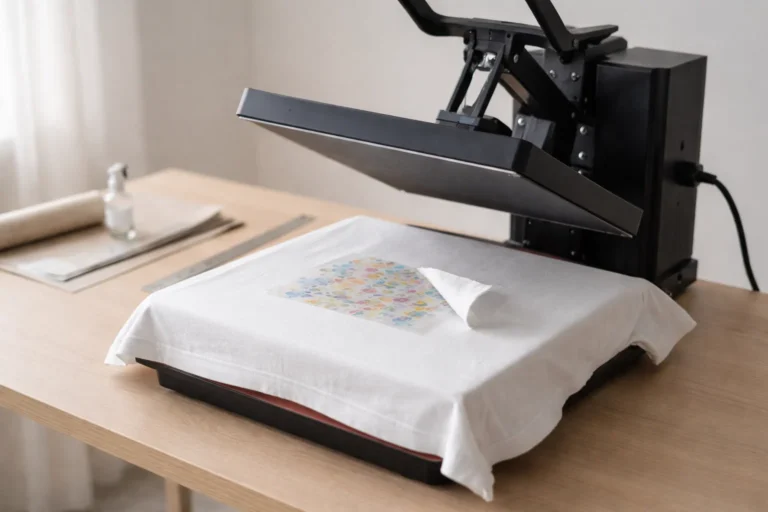
DTF adhesive powder must fully melt and bond with the fabric fibers. If curing or pressing temperature is slightly low, the transfer may look fine initially but fail after washing.
Common reasons include:
-
Press temperature below target
-
Press time too short
-
Uneven heat distribution
-
Light pressure during pressing
This issue is closely connected to pressing-stage peeling problems.
Incorrect Press Pressure
Pressure matters as much as temperature.
-
Too little pressure prevents adhesive from penetrating the fabric
-
Inconsistent pressure causes weak bonding areas
-
Stretch fabrics are especially sensitive to pressure errors
After washing, these weak points are usually the first areas to peel.
Film and Adhesive Mismatch
Not all DTF films behave the same during washing.
-
Some hot-peel films require very precise pressing
-
Certain instant-peel films are less forgiving
-
Low-quality adhesive powder can lose flexibility after curing
If the adhesive layer becomes brittle, washing accelerates cracking and edge lift.
White Ink Layer Problems
White ink plays a structural role in DTF durability.
Issues such as:
-
Overly thick white layers
-
Poor ink curing
-
Incompatible ink formulations
can cause the print to separate from the fabric once it is washed and flexed repeatedly.
Fabric Type and Pretreatment Assumptions
DTF works on many fabrics, but not all fabrics behave the same in washing.
Peeling is more common on:
-
Heavily treated polyester blends
-
Water-repellent garments
-
Low-quality cotton with loose fiber structure
Skipping fabric testing often leads to post-wash failures.
Washing Conditions That Accelerate Peeling
Even a properly pressed DTF transfer can fail if washing conditions are aggressive.
High-risk washing habits include:
-
Hot water cycles
-
Strong detergents or bleach
-
Fabric softeners
-
High-heat tumble drying
-
Overloading the washer
Customers often use these settings without realizing the impact on printed garments.
How to Fix and Prevent DTF Peeling After Washing
Step 1: Recheck Press Settings
Confirm:
-
Actual platen temperature (not just display)
-
Correct press time for your film type
-
Firm, even pressure across the garment
Small adjustments here often solve the issue.
Step 2: Verify Proper Curing Before Pressing
Before pressing:
-
Adhesive powder must be fully melted
-
No grainy or matte powder texture should remain
-
The surface should appear smooth and uniform
Incomplete curing weakens wash durability.
Step 3: Match Film Type to Production Speed
If you are pushing faster turnaround times:
-
Avoid films with narrow tolerance windows
-
Test instant-peel films carefully
-
Stick to consistent suppliers
Many peeling complaints originate from film changes made under time pressure.
Step 4: Control White Ink Thickness
Balance is critical:
-
Too thin → poor coverage and adhesion
-
Too thick → cracking and separation after washing
White ink management directly affects long-term durability.
Step 5: Set Clear Washing Instructions
Clear care instructions reduce complaints:
-
Wash inside out
-
Cold water only
-
No bleach or fabric softener
-
Low heat or air dry
-
Wait 24 hours before first wash
Many failures happen simply because customers wash garments too soon.
When Peeling Means the Transfer Must Be Replaced
If peeling continues after adjustments, the transfer usually cannot be salvaged.
Signs replacement is necessary:
-
Adhesive fully separates from fabric
-
Cracking spreads across the design
-
Edges lift repeatedly after repressing
In these cases, correcting the process prevents future failures but does not fix the affected garment.
How This Connects to Other DTF Peeling Issues
Peeling after washing is often the final symptom of problems that begin earlier in the workflow.
It is commonly linked to:
-
Peeling after pressing
-
Faster turnaround production pressure
-
Inconsistent heat and curing
-
Film selection errors
Addressing peeling at the root stage is the most effective long-term solution.
Final Thoughts
DTF prints that peel after washing are rarely the result of washing alone. They reflect small process gaps that only appear once garments are exposed to real-world use.
By tightening press settings, curing consistency, film selection, and customer care instructions, most shops can eliminate wash-related peeling entirely.
In high-volume DTF production, durability is built long before the garment ever reaches the washing machine.
About the Author