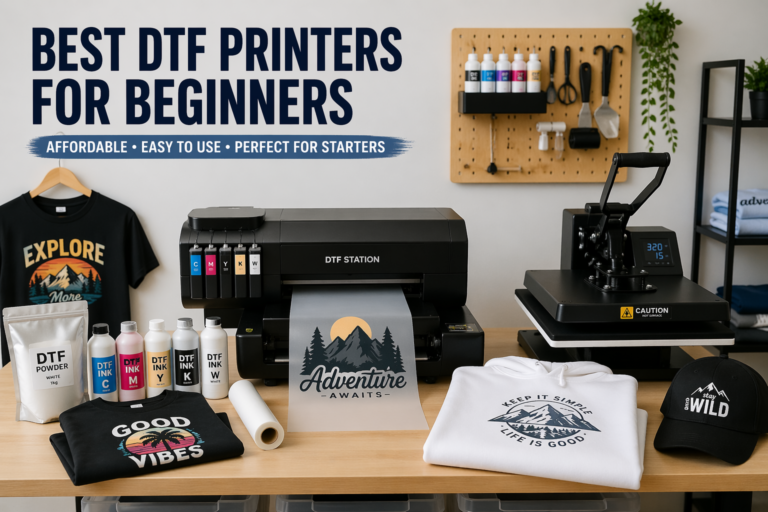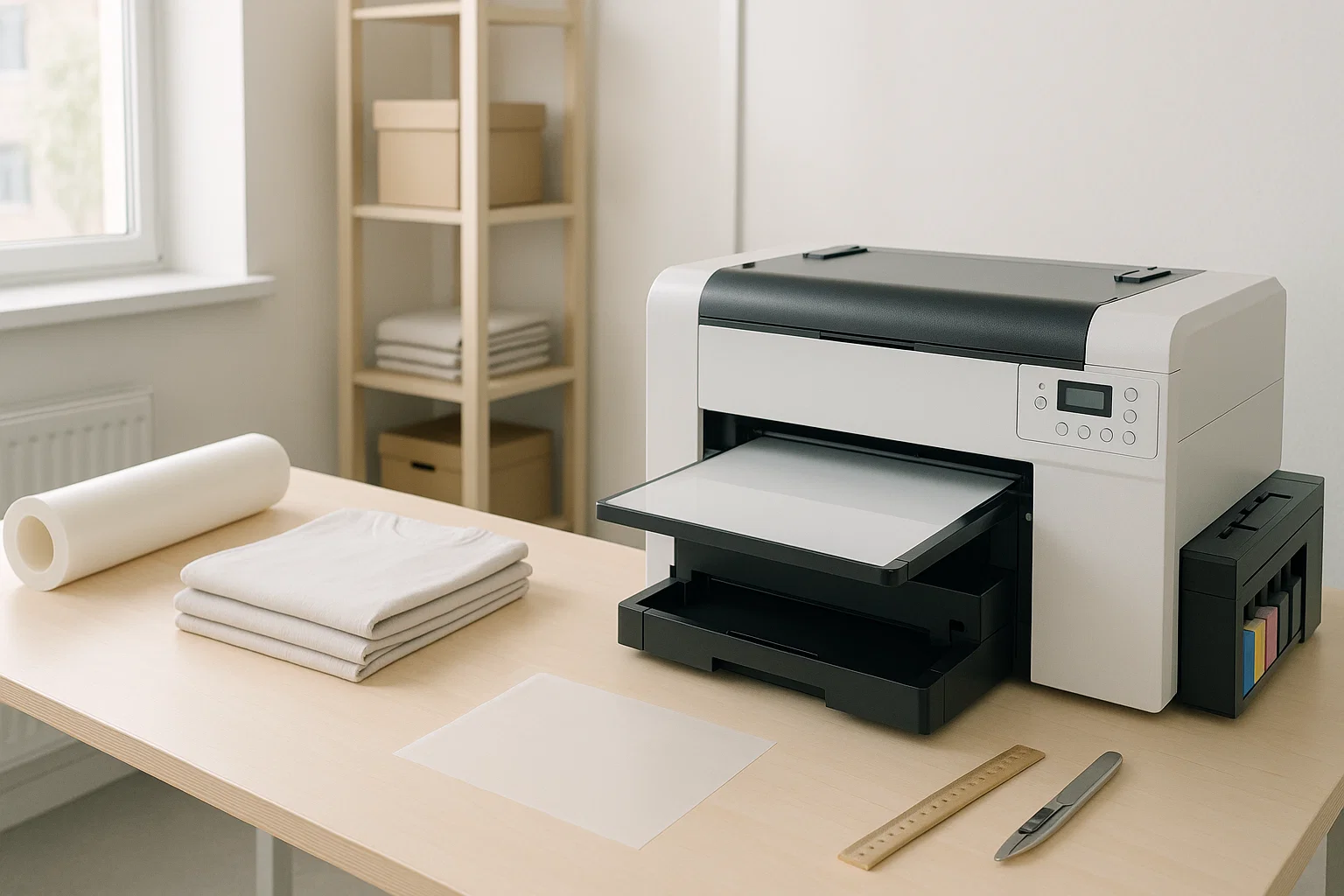
DTF, or Direct to Film, is a printing method that transfers designs from film to fabric using heat.
In the rapidly evolving world of custom printing, the term DTF has moved beyond a simple acronym. For makers, apparel brands, and print professionals, understanding the dtf definition in 2026 now requires more than a basic explanation. It also requires insight into how and why this technology has reshaped modern production workflows and business models.
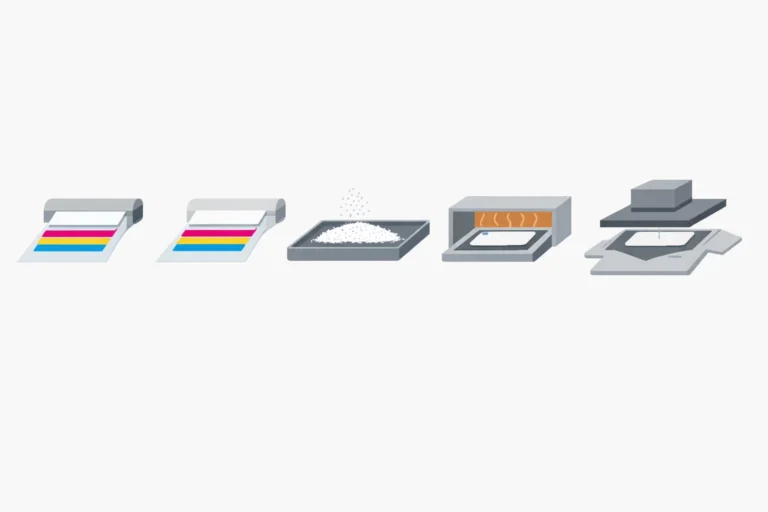
In its simplest form, DTF stands for Direct to Film, a printing method that uses specialized printers, inks, transfer film, adhesive powder, and heat to apply designs to fabric. While this technical definition explains how DTF works, it does not fully capture why the method has become such a central part of the printing industry.
DTF Definition Explained in Industry Context
Direct to Film printing emerged as a response to long standing limitations in garment decoration. Traditional methods often required pretreatment, complex setup, or strict fabric compatibility. DTF introduced a different approach by separating the printing stage from the garment itself.
Instead of printing directly onto fabric, DTF produces a transferable design on PET film. Once cured, this transfer can be applied to a wide range of textiles with consistent results. This flexibility is a key reason why the dtf definition has gained relevance beyond technical circles and into mainstream apparel production.
By 2026, DTF is no longer considered an alternative method. It is increasingly viewed as a foundational printing process for businesses that value adaptability and speed.
Why the Meaning of DTF Has Changed
Early discussions around DTF focused almost entirely on how the process worked. In 2026, the conversation has shifted toward what DTF enables.
The rise of short production runs, personalized products, and rapid trend cycles has pushed printers to adopt methods that reduce friction. DTF supports this shift by allowing transfers to be produced ahead of time, stored, and applied when needed. This changes how shops manage labor, inventory, and turnaround times.
Cost structure is another reason the dtf definition now carries more weight. DTF reduces the need for screens, chemicals, and extensive setup, making it accessible to smaller operations while still scalable for higher volumes.
DTF Compared to Other Printing Methods
Understanding what DTF means today also requires comparison with established techniques.
Direct to Garment printing delivers strong results on certain fabrics but often depends on pretreatment and controlled environments. Screen printing remains effective for large volume orders but lacks flexibility for frequent design changes or small runs.
DTF occupies a middle ground. It offers digital level detail while maintaining durability across diverse materials. This balance has made it especially attractive for on demand production, ecommerce fulfillment, and contract printing in 2026.
Market Impact of DTF Adoption
The growing interest in the dtf definition reflects broader market trends. Businesses across apparel, promotional products, and private label merchandise have embraced DTF because it aligns with modern consumer expectations.
Customers now demand faster fulfillment, smaller minimums, and consistent quality. DTF supports these demands without forcing businesses to overhaul their entire production infrastructure.
As a result, DTF has moved from being a niche technique to a standard offering in many print shops. Its adoption has influenced pricing models, service packaging, and even how brands position themselves in competitive markets.
What DTF Means Going Forward
Looking ahead, the definition of DTF will continue to evolve. Improvements in ink chemistry, film durability, and automation are expanding what is possible with Direct to Film printing.
In 2026 and beyond, DTF is expected to play an even larger role in hybrid production environments where multiple printing methods coexist. For businesses focused on customization and efficiency, understanding the full meaning of DTF is becoming a strategic necessity rather than a technical detail.
Final Perspective
DTF is more than a printing acronym. It represents a shift in how the industry approaches production, flexibility, and growth. While the basic definition of Direct to Film remains the same, its significance has expanded as the market has matured.
For anyone researching dtf definition today, the real value lies not only in how the process works, but in why it has become one of the most influential printing methods shaping the industry in 2026.
About the Author