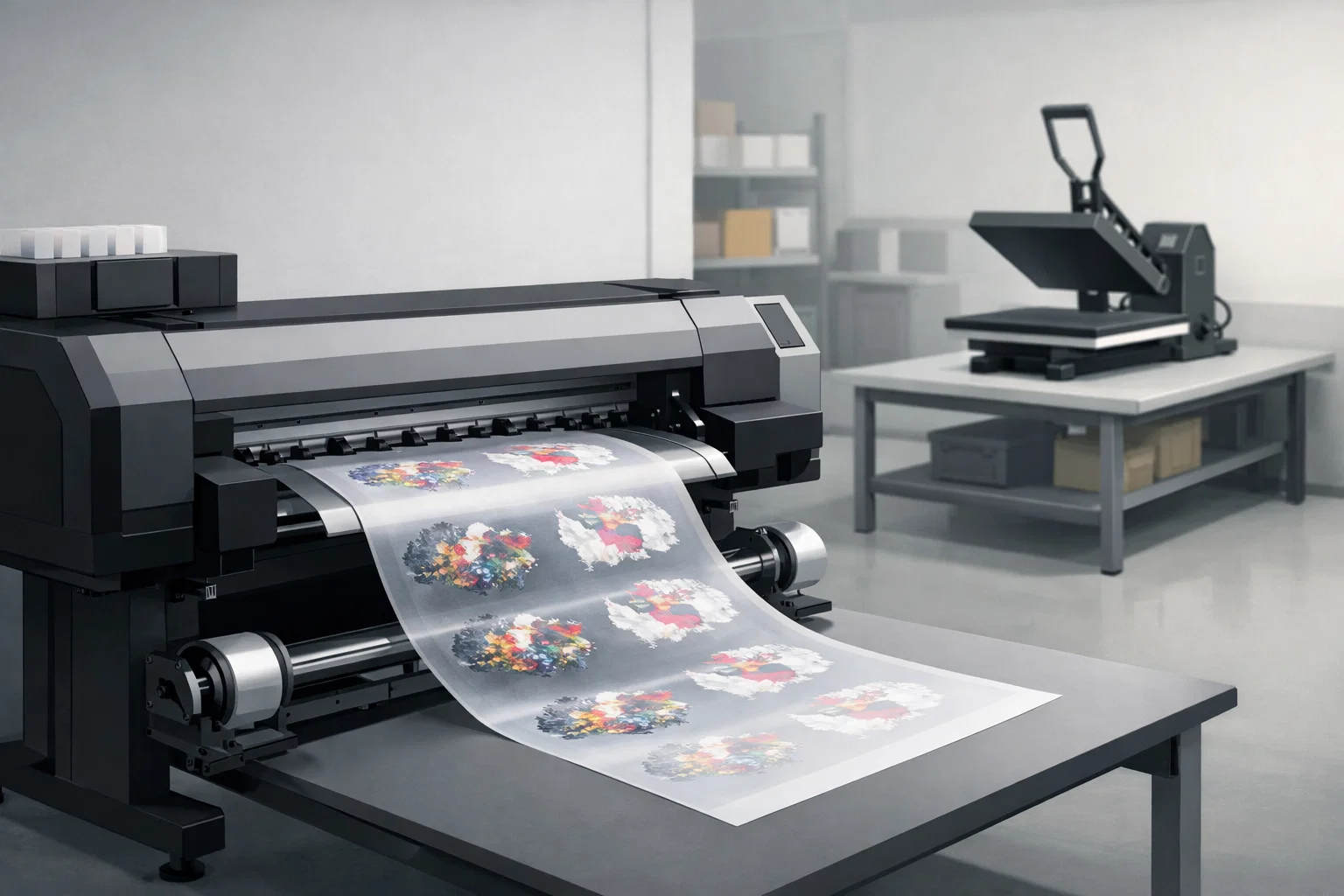
DTF printer producing transfer films for modern apparel production workflows
Direct to film printing has become one of the most important production methods in modern apparel decoration. As demand for short runs, fast turnaround, and design flexibility continues to rise, the role of the DTF printer inside print shops has shifted from optional equipment to a core production asset. Choosing the right DTF printer is no longer just a purchasing decision. It directly impacts workflow efficiency, output quality, and long term operating costs.
This article explains what a DTF printer is, how it fits into today’s print shop operations, and what factors matter most when evaluating different models.
What Is a DTF Printer
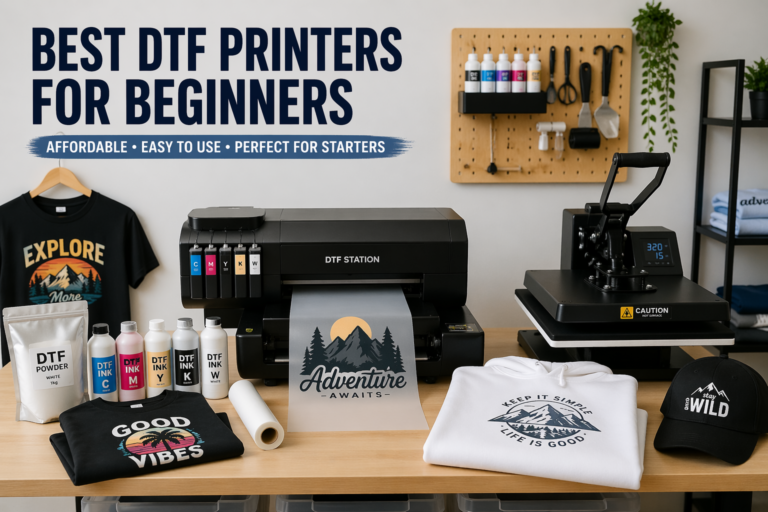
A DTF printer is a digital printing system designed to print graphics onto PET film using CMYK and white inks. Once printed, the design is coated with a hot melt adhesive powder, cured, and later transferred onto garments using a heat press.
Unlike direct to garment printing, a DTF printer does not require pretreatment and works across a wide range of fabrics, including cotton, polyester, blends, and dark materials. This versatility is a major reason DTF printers are increasingly used as primary production tools rather than supplemental equipment.
Why DTF Printers Are Gaining Adoption
The rise of the DTF printer is closely tied to changes in how apparel orders are placed and fulfilled. Print shops today handle more fragmented orders with greater design variety and tighter deadlines. Traditional methods struggle to keep pace with this shift.
DTF printers address several operational challenges at once. They reduce setup time, allow printing to be decoupled from garment application, and support on demand workflows without batching constraints. As a result, many shops now route short runs and custom orders through DTF systems by default.
Key Factors to Consider When Choosing a DTF Printer
Not all DTF printers are built for the same production environment. Understanding the differences between models helps avoid bottlenecks and unexpected costs.
Print Width and Throughput
DTF printers are commonly available in widths ranging from 13 inches to 24 inches and beyond. Smaller printers may be suitable for startups or low volume shops, while wider models support higher throughput and more efficient gang sheet production.
White Ink Management
White ink performance is one of the most critical factors in DTF printing. Reliable circulation, agitation, and filtration systems help prevent clogging and ensure consistent opacity. Printers with poor white ink management often lead to increased maintenance and downtime.
Ink Compatibility and Cost
DTF ink quality directly affects color accuracy, wash durability, and transfer reliability. Some printers are locked into proprietary ink systems, while others allow greater flexibility. Evaluating ink cost per print is essential when projecting long term operating expenses.
Integration With Powder and Curing Systems
Many DTF printers operate as part of a larger workflow that includes powder application and curing. Integrated or well matched systems reduce handling time and improve consistency. Poor integration can slow production and increase error rates.
Maintenance and Support
DTF printers require regular maintenance, particularly around white ink channels and print heads. Access to replacement parts, technical support, and clear maintenance procedures should factor heavily into purchasing decisions.
DTF Printers vs Other Printing Methods
Compared to screen printing, a DTF printer excels in low volume and high variation environments. Screen printing remains more cost effective at scale, but its setup requirements make it less suitable for short runs.
Compared to direct to garment systems, DTF printers offer broader material compatibility and more flexible production scheduling. This makes DTF particularly attractive for shops handling mixed order types throughout the day.
Who Should Invest in a DTF Printer
DTF printers are especially well suited for:
-
Small and mid sized print shops
-
On demand apparel businesses
-
Custom merchandise sellers
-
Shops expanding beyond screen printing
-
Operations seeking faster turnaround without increasing labor
Shops comparing specific equipment options often evaluate different DTF printer models based on production volume and maintenance requirements.
For many businesses, a DTF printer becomes the central production system rather than a secondary option.
The Role of the DTF Printer in Modern Print Shops
The DTF printer is no longer viewed as experimental equipment. It has become a stable and scalable solution that supports how apparel production is evolving. As customer expectations continue to shift toward speed and flexibility, DTF printers are positioned to remain a core part of print shop operations.
Choosing the right DTF printer is ultimately about aligning equipment capabilities with production reality. Shops that evaluate printers based on workflow, maintenance, and long term costs are better positioned to scale efficiently as demand continues to change.
About the Author