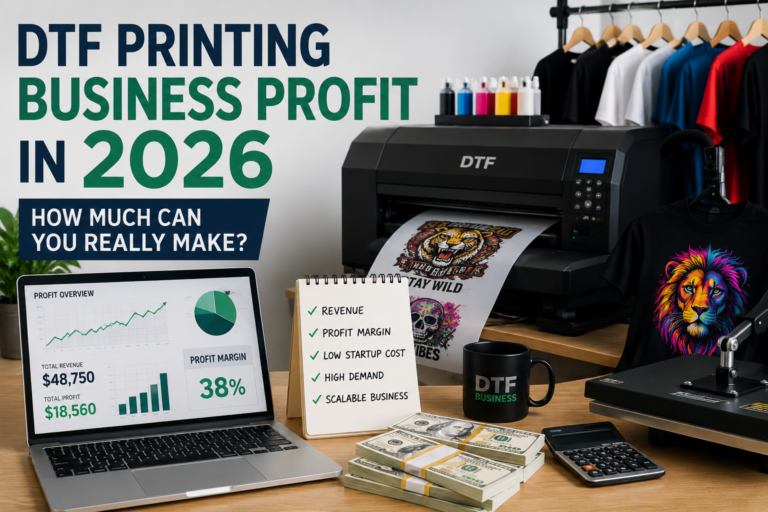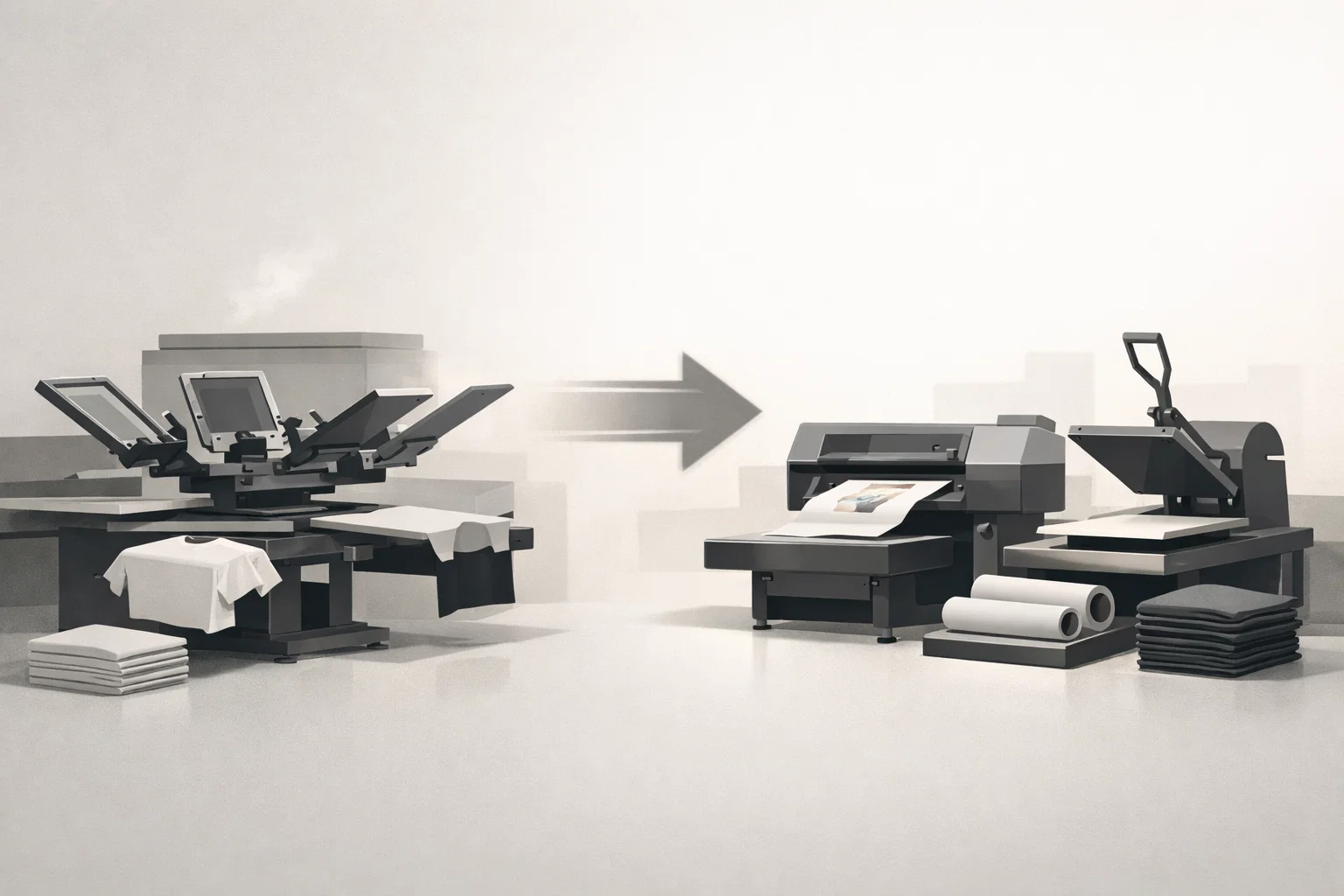
Short-run apparel production is shifting toward DTF printing.
For decades, screen printing defined how small and mid sized apparel shops handled production. It was the default method for custom garments, built around efficiency at scale and repeatable designs. That model is now being quietly reshaped. Across the industry, direct to film printing is increasingly taking over short run production, not through aggressive disruption, but through practical necessity.
This shift is not driven by trends or marketing narratives. It is happening inside production floors, scheduling boards, and order queues where speed, flexibility, and cost control now matter more than batch efficiency.
Short Runs Are No Longer the Exception
The structure of apparel demand has changed. Print shops are receiving more fragmented orders, smaller quantities, and a wider variety of designs than ever before. What was once considered a niche or add on service has become a daily operational reality.
Screen printing remains highly efficient for large runs, but it struggles when order volumes drop and design variation increases. Setup time, screen preparation, and labor coordination introduce delays that are increasingly difficult to justify for runs of 10, 20, or even 50 garments.
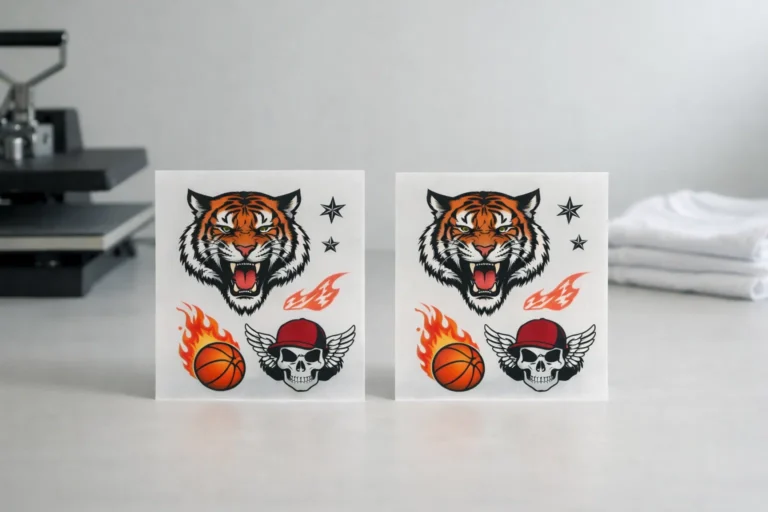
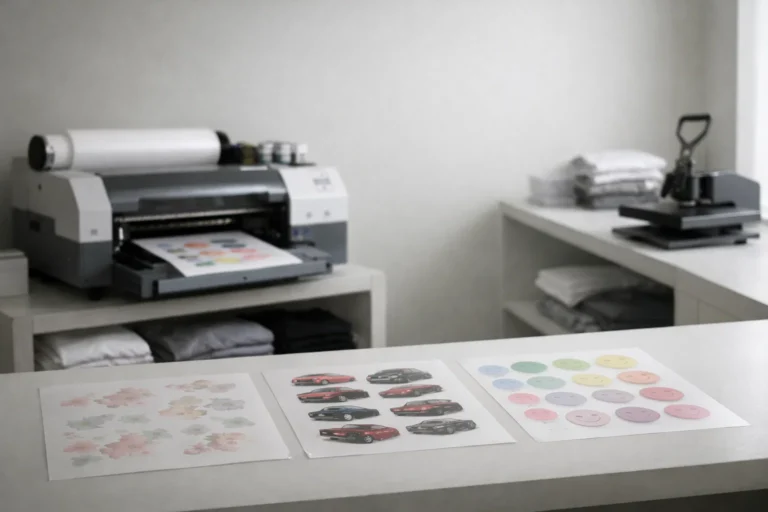
DTF printing removes many of these constraints. Transfers can be produced quickly, stored if needed, and applied on demand without committing a press line to a single design. For short runs, this flexibility is becoming difficult to ignore.
Production Speed Is Driving the Change
In short run scenarios, time is often more valuable than marginal unit cost. Customers expect fast turnaround regardless of order size, and many are willing to pay for speed and consistency rather than volume discounts.
DTF allows shops to move from order intake to production without batching. Designs can be processed individually, queued digitally, and pressed as needed. This reduces idle time, simplifies scheduling, and allows smaller teams to handle a broader mix of orders throughout the day.
Screen printing, by contrast, still requires commitment. Once a setup begins, efficiency depends on running volume. For shops managing unpredictable demand, that rigidity is becoming a liability rather than an advantage.
Labor and Workflow Efficiency Matter More Than Ever
Labor availability remains a growing challenge for small apparel businesses. Screen printing requires multiple coordinated steps and experienced staff at specific points in the process. When schedules shift or staff is limited, bottlenecks appear quickly.
DTF workflows are more modular. Printing, curing, and application can be separated, allowing tasks to be distributed across time and personnel more flexibly. This makes it easier for shops to adapt to fluctuating workloads without reorganizing their entire operation.
As a result, many shops are repositioning screen printing as a specialized tool rather than a default workflow.
Screen Printing Is Not Disappearing
This transition does not signal the decline of screen printing. Large runs, repeat orders, and high volume programs still favor traditional methods. What is changing is the role screen printing plays in daily operations.
Instead of anchoring the entire production schedule, screen printing is increasingly reserved for jobs where its strengths are clear. Short runs, custom orders, and fast turnaround work are quietly shifting toward DTF.
A Subtle but Meaningful Shift
The most notable aspect of this change is how quietly it is happening. There are no major announcements or abrupt transitions. Shops are simply choosing the method that fits modern demand.
DTF printing is not replacing screen printing outright. It is redefining how short run production is handled, one order at a time. And across the industry, that adjustment is already well underway.
About the Author