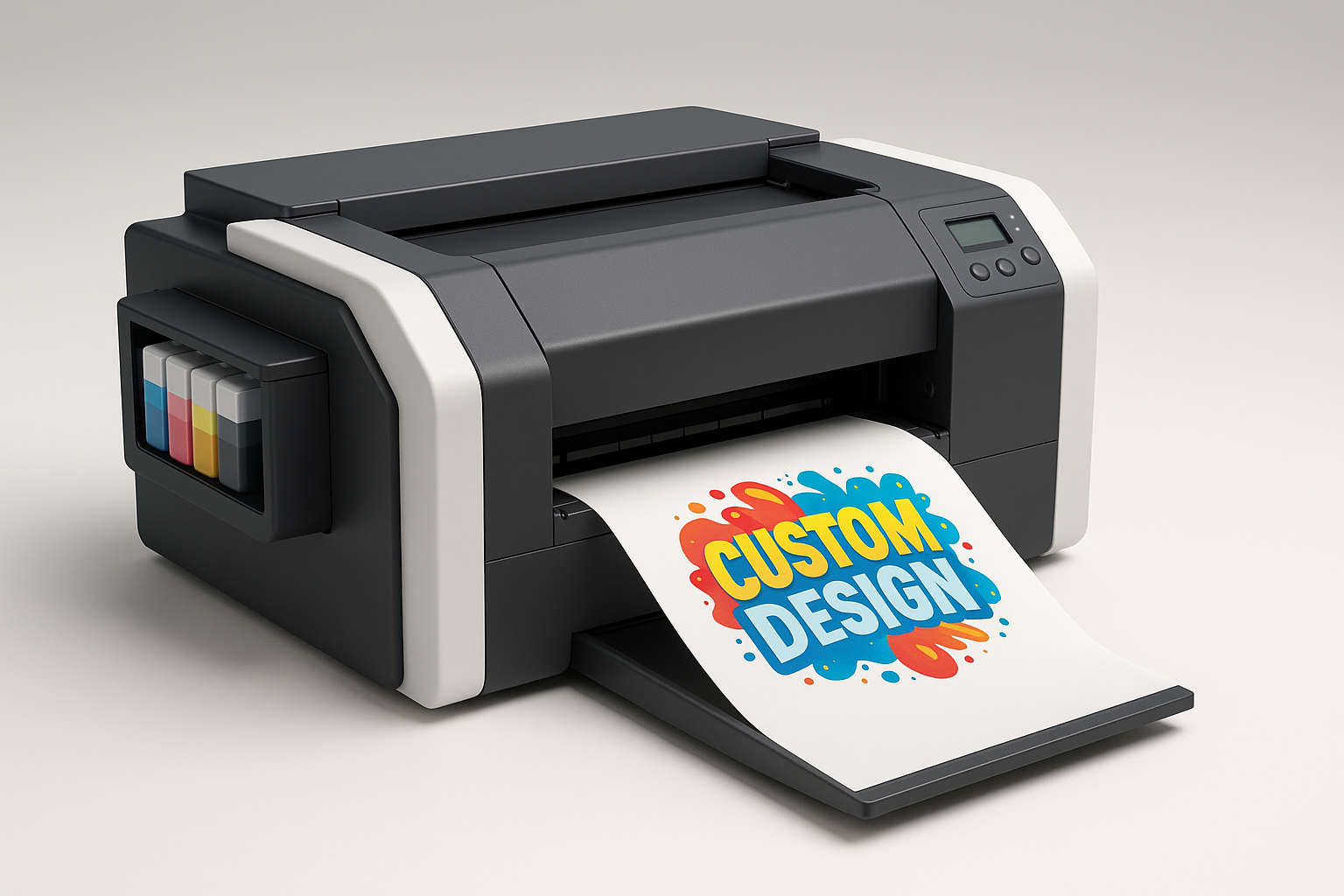
Walk through any fashion market, print shop, streetwear pop-up or e-commerce storefront in 2025, and you will notice a trend that seemed almost nonexistent a few years ago. Vivid multicolor shirts, detailed hoodies, brilliant tote bags and customized merchandise are being produced faster and more accurately than ever before. Behind the scenes, a technology called DTF printing is reshaping an industry that once relied on slower, more complicated and often expensive processes.
But what is DTF printing exactly, and why has it suddenly become one of the most talked-about innovations in the world of custom apparel? The short answer is that DTF printing, which stands for Direct to Film printing, enables creators, businesses and even hobbyists to print designs onto a special film and transfer them onto fabric using heat. The long answer reveals a revolution unfolding in real time, reshaping the way clothing is made and empowering a new generation of digital entrepreneurs.
This is a deep look at what DTF printing is, where it came from, why it matters and how it is fueling a booming global industry.
A Technology Born From a Need for Flexibility
To understand what DTF printing is, you first have to understand the limits of the traditional methods it disrupted. For decades, screen printing dominated apparel decoration. It is vibrant, durable and reliable, but it requires setup time, manual labor, screens, chemicals and a minimum order count that pushes small creators out of the picture. When digital printing emerged with DTG, or Direct to Garment, it improved accessibility, but it came with its own frustrations. DTG prints best on cotton and struggles with polyester, dark garments or textured fabrics. It also requires pretreatment, which adds cost and complexity.
DTF printing changed everything by removing much of the friction.
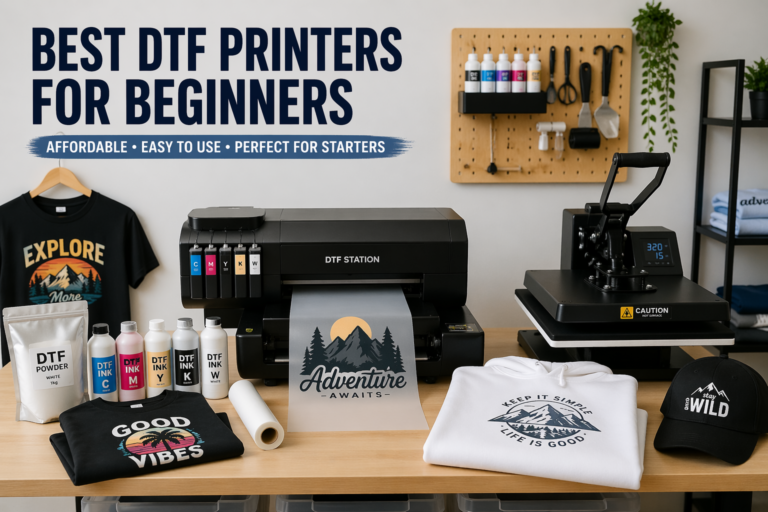
Instead of printing directly onto a shirt, DTF printers produce a design on a thin PET film. That film receives a layer of adhesive powder. It is then cured and transferred onto almost any fabric using a heat press. No pretreatment. No special garment composition. No lengthy preparation.
The result is flexibility, speed and a business model that suddenly allows anyone to print for nearly anything.
As one industry expert put it, “DTF printing democratized apparel production in the same way smartphone cameras democratized photography.” In other words, this is not just new technology. It is a shift in who gets to participate in the market.
How DTF Printing Works in Practice
If you ask a beginner what DTF printing is, you will get a simple response. They will tell you it is a way to print onto film first, then transfer the design to fabric. But inside the workflow are several important steps that transformed it into the powerhouse it is today.
Here is how a standard DTF process unfolds.
Step 1: Digital Design Creation
Everything begins with artwork, often made in software like Photoshop, Illustrator or Procreate. The design is printed in reverse because it will later be flipped onto the garment.
Step 2: Printing Onto PET Film
A DTF printer uses specially formulated inks, including white ink, to print onto a clear film. White ink acts as the base layer, enabling the final print to remain bright, opaque and vibrant across all fabric colors.
Step 3: Applying and Melting the Adhesive Powder
After printing, a fine adhesive powder is applied to the wet ink. This powder is what later bonds the design to the shirt. Heat is used to cure the powder, turning it into a smooth and ready-to-transfer layer.
Step 4: Heat Press Transfer
The cured film is pressed onto the garment at specific temperatures and timing. When peeled away, the design remains on the fabric.
Step 5: Post-Pressing
Light pressure is applied again to ensure maximum durability and a smooth finish.
What makes this system especially groundbreaking is that the print is not absorbed into the textile. Instead, it bonds onto the surface. This is the reason DTF works for cotton, polyester, blends, nylon, canvas and even leather.
Why the Industry Pivoted Toward DTF
DTF printing did not rise quietly. It exploded. Search trends show an exponential climb over the last three years, industry events highlight DTF machines as headline products, and print entrepreneurs now choose DTF as their first business model rather than screen printing or DTG.
Here are the reasons this happened so fast.
1. Versatility for Almost Any Fabric
Unlike DTG, which prefers cotton, DTF printing works on:
-
cotton
-
polycotton
-
polyester
-
fleece
-
nylon
-
denim
-
canvas
-
stretch fabrics
-
performance materials
The ability to print across product lines without changing equipment is a major economic advantage.
2. Lower Startup Costs
A full DTF setup is significantly cheaper than a screen printing shop or industrial DTG system. This lower barrier to entry opened the door for thousands of entrepreneurs, creators and small brands.
3. No Pretreatment Required
Pretreatment was always the most disliked part of DTG printing. DTF eliminates it, removing a laborious and messy step.
4. Durable and Wash-Resistant Prints
DTF prints are known for their resistance to cracking, peeling and fading. Many users report durability equal to or better than screen printing when properly pressed.
5. Scalability for Businesses
Small print shops can scale quickly because DTF designs can be printed in bulk, stored on film and transferred later. This allows for:
-
faster turnaround times
-
batch production
-
seasonal prep
-
on-demand fulfillment
In today’s fast-moving e-commerce world, speed wins.
The Marketplace Impact
The question what is DTF printing goes beyond the technical description. It is a story of how the printing world is rearranging itself.
Small Shops Are Now Global Competitors
You do not need a warehouse to run an apparel business today. DTF allows a single person to produce hundreds of designs in a living room or garage. Many Etsy stores, TikTok brands and micro-businesses rely exclusively on DTF transfers shipped by suppliers.
Transfer Businesses Became an Entire Industry
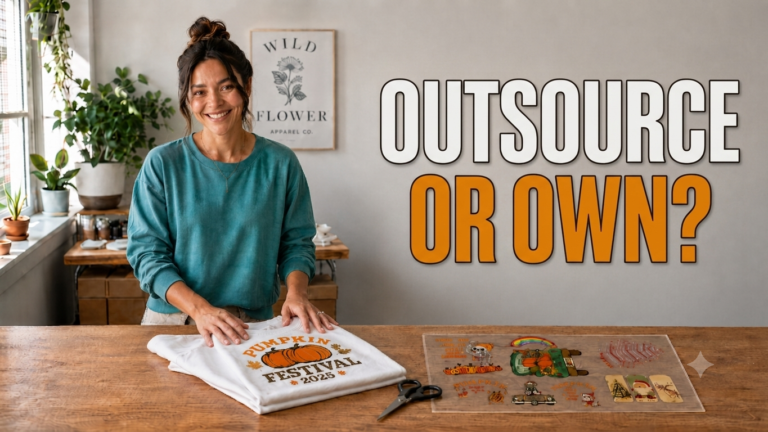
One unexpected development is the rise of DTF transfer sellers. These businesses do not produce finished shirts. Instead, they produce custom printed films for other makers. This trend exploded because not everyone wants to own a printer, but everyone wants high-quality transfers.
Fashion Brands Utilize DTF for Short Runs
Major apparel companies use DTF for limited editions, collaborations and sample creation. The technology reduces waiting times, allowing faster experimentation and trend response.
The Corporate Market Adopted DTF for Merch
From sports teams to tech companies, the corporate merchandise world leaned heavily into DTF because of its consistency and ability to print any design.
Understanding the Quality Differences
When asking what is DTF printing, critics sometimes focus on texture. A DTF print sits on top of the fabric, which creates a slightly raised feel, similar to vinyl but softer and more flexible. Advances in adhesive powders and film quality have improved the hand-feel dramatically, making premium DTF prints smooth and stretchable.
Color vibrancy is one of the major strengths of DTF printing. Because the ink is layered onto film, not fabric, colors retain their digital sharpness even on dark backgrounds. Fine details, tiny lines, gradients and photo-quality images remain crisp, something traditional screen printing cannot always match.
Wash durability varies by technique but is generally high. Many users report prints lasting over 50 washes with minimal changes.
The only notable drawbacks include storage requirements for film sheets and maintenance of white ink, which can settle or clog if not used regularly. Still, the benefits overwhelmingly outweigh the challenges for most creators.
Environmental Considerations
As the printing industry evolves, environmental impact is a critical factor. In the conversation about what is DTF printing, sustainability is an important part of the story.
Compared with screen printing, DTF produces fewer chemical emissions because it does not require emulsions, cleaning agents or multiple washing steps. It uses less water overall. However, PET film and powder waste must be managed responsibly, and manufacturers are working toward recyclable film options.
Ink producers are also developing formulations that reduce volatile organic compounds and improve biodegradability.
While not perfect, DTF printing represents a step forward in a field long dominated by chemical-heavy processes.
How DTF Compares With DTG, Sublimation and Vinyl
Knowing what is DTF printing becomes clearer when placed beside its competitors.
DTG vs. DTF
DTG prints directly onto fabric, providing a soft feel, but it struggles with dark polyester and requires pretreatment. DTF solves those issues but has a slightly firmer texture.
Sublimation vs. DTF
Sublimation is great for polyester but cannot print on cotton. Colors are stunning but limited to light garments. DTF works on both light and dark materials across almost all fabric types.
Vinyl vs. DTF
Vinyl is durable but limited in design flexibility and requires manual weeding. DTF eliminates all manual labor and can print intricate artwork without additional work.
Each technology has its place, but DTF sits at the intersection of convenience, quality and versatility.
Where the Technology Is Heading Next
Even as adoption accelerates, DTF printing is still evolving. Industry insiders predict several major advancements in the next few years.
White Ink Reformulation
Manufacturers are racing to produce more stable white inks to reduce clogging and improve print longevity.
Faster Industrial Machines
We are beginning to see industrial DTF rollers capable of printing continuous film at extremely high speeds, aimed at factories and major print operations.
Eco-Friendly Film
Several companies are developing biodegradable or recyclable PET film options. When these hit mass market, environmental impact will shift dramatically.
AI-Assisted Color Correction
Automated software is becoming more accurate at adjusting colors for consistent results across different garments, printers and materials.
In the next five years, what is DTF printing may look different than today, with improvements in speed, safety, cost and environmental responsibility.
The Human Side of a Printing Revolution
Behind every new technology, there are people using it to transform their lives. Talk to a print shop owner who switched to DTF, and you will often hear that the change allowed them to scale their business, quit a job, support their family or pursue creative ambitions that previously felt unreachable.
Creators launch niche clothing brands overnight. Parents print custom team jerseys for local sports clubs. Artists produce vibrant merchandise without outsourcing. Small businesses print holiday rush orders without having to decline work. For many, DTF printing is not just a technical upgrade. It is an opportunity engine.
And that is perhaps the most important part of the answer to the question what is DTF printing. It is not only a process or a machine. It is a bridge between creativity and possibility.
Conclusion: Why DTF Printing Matters Today
So what is DTF printing? At its core, it is a powerful new method of producing high-quality apparel transfers using printed film and heat. But its real impact lies far deeper. It is enabling global entrepreneurship, reshaping commercial printing workflows and giving individuals unprecedented access to professional-grade garment production.
From small Etsy stores to major manufacturers, from independent artists to corporate merch teams, the world of apparel decoration is moving toward a future defined by flexibility, speed and inclusivity. DTF printing sits at the heart of that transformation.
As the technology continues to evolve, one thing is clear. This is not a passing trend. It is a foundational shift in how clothing is designed, produced and delivered. And for millions of creators around the world, it is just the beginning.
About the Author