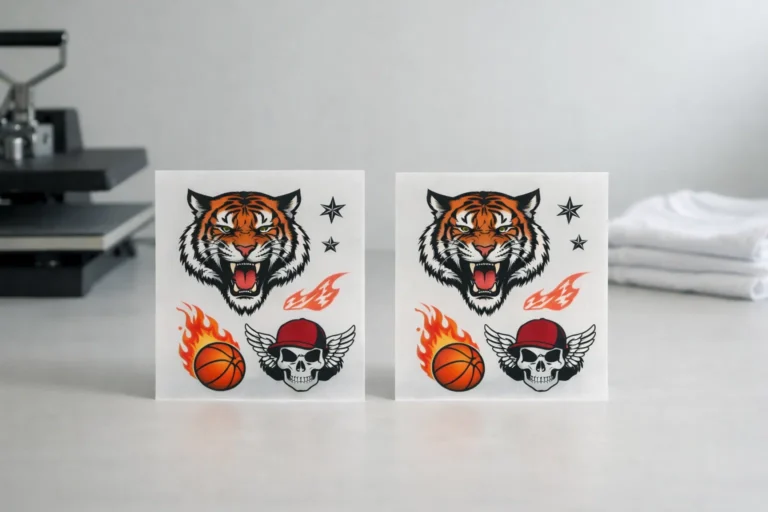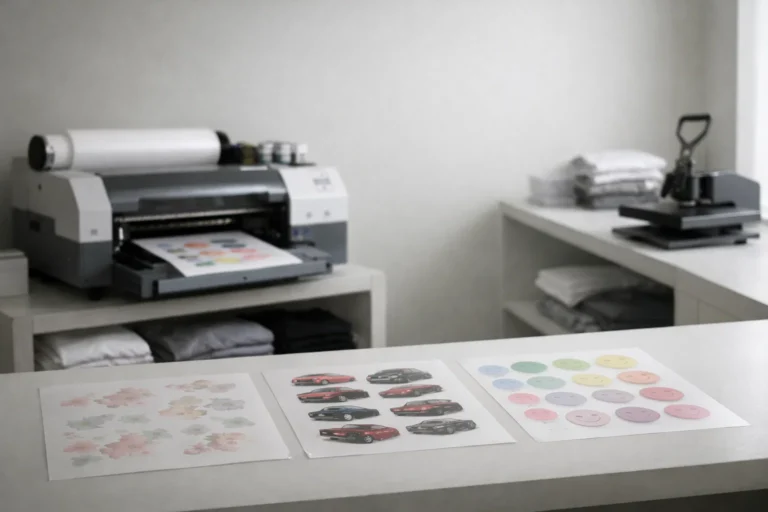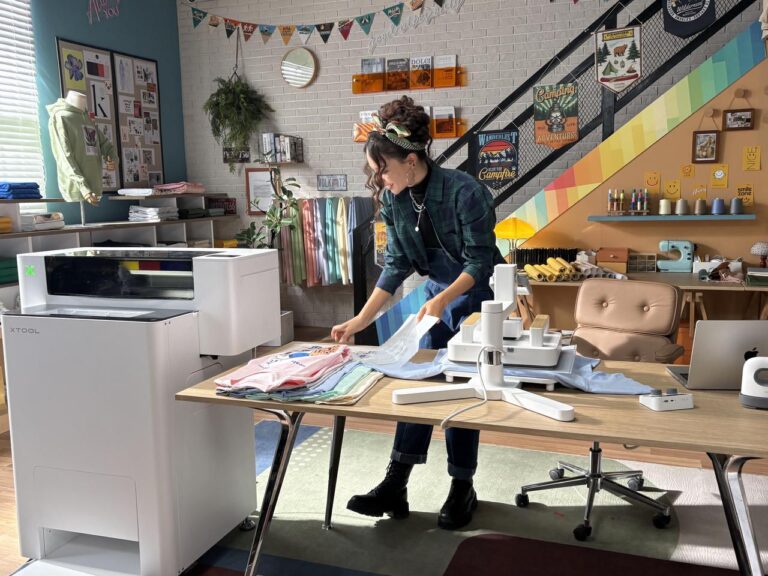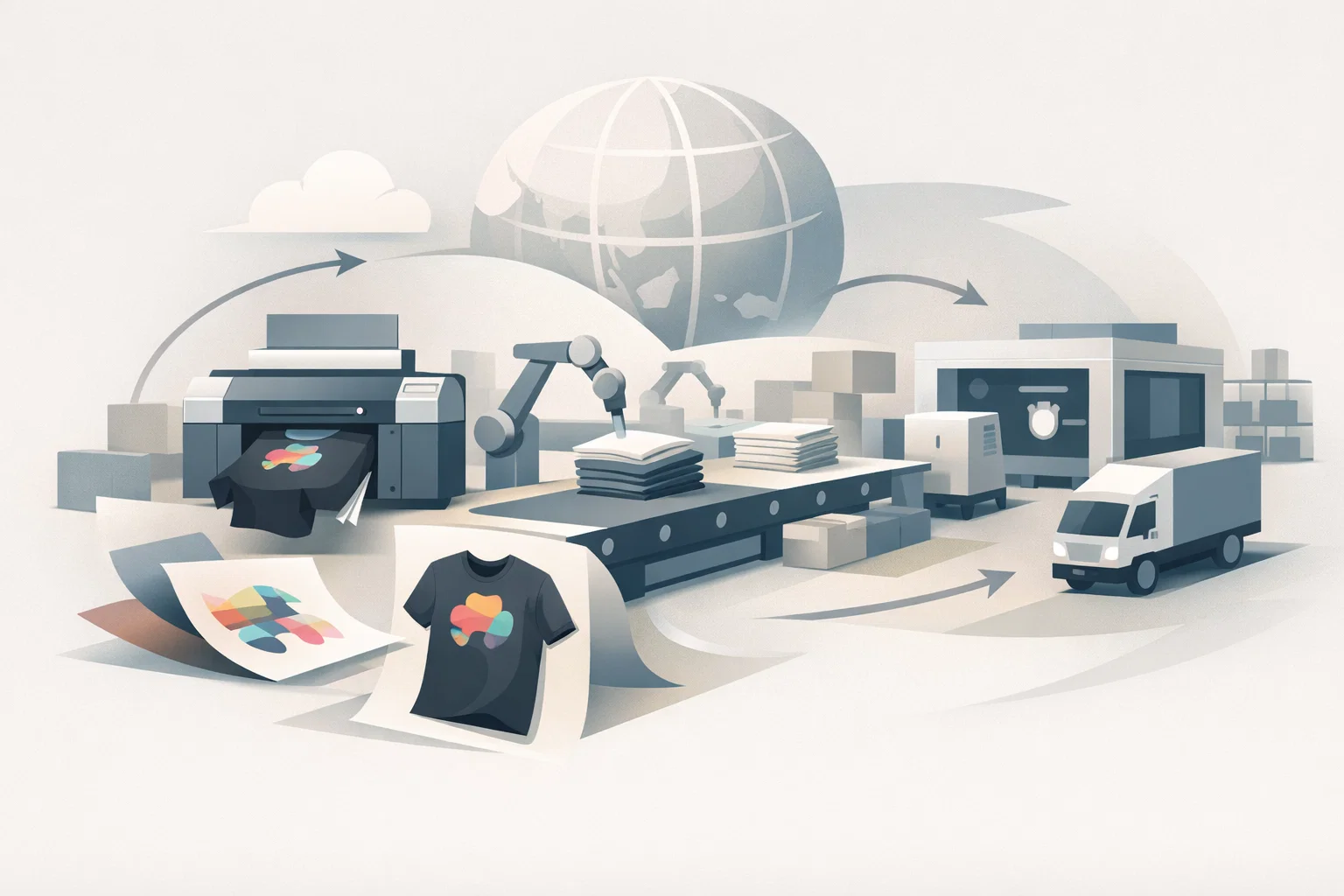
DTF printing technology is reshaping global apparel production and on-demand manufacturing workflows.
The global printing industry is entering a period of structural change. Rising demand for customization, shorter production cycles, and cost efficiency is forcing print businesses to rethink traditional workflows. Across apparel, merchandising, packaging, and promotional products, production models built around long runs and bulk forecasting are steadily giving way to more agile systems.
One of the most visible drivers behind this shift is the rapid expansion of Direct to Film technology. As 2026 approaches, DTF printing is no longer viewed as an alternative method. It has become a core production solution influencing how print shops operate, scale, and compete. This evolution is now a central theme in current printing industry news worldwide.
A Turning Point for the Printing Industry
For decades, the printing industry relied on established methods such as screen printing, sublimation, and direct to garment. While each remains relevant, changing market conditions have exposed their limitations. Brands increasingly demand faster turnaround, lower minimums, and consistent quality across diverse materials.
Printing industry news throughout 2025 and early 2026 highlights a common trend. Print shops are under pressure to reduce waste, limit inventory risk, and respond to unpredictable order volumes. Technologies that enable flexible, on-demand output are gaining priority in both small studios and large production facilities.
DTF printing aligns directly with these requirements. By separating print production from garment application, it introduces a level of operational flexibility that traditional methods struggle to match.
Why DTF Printing Is Central to Current Printing Industry News
DTF technology allows designs to be printed onto film, cured, and applied only when orders are confirmed. This workflow reduces overproduction and allows print shops to adapt output in real time. As a result, DTF has become a focal point in printing industry news related to apparel manufacturing and custom product fulfillment.
Several factors explain the accelerating adoption:
-
Compatibility with nearly all fabric types
-
No pretreatment requirements
-
Strong durability and wash resistance
-
Efficient scaling for both small and high-volume operations
These advantages are no longer limited to niche use cases. DTF printing is now integrated into mainstream production environments, from local print shops to international apparel suppliers.
On-Demand Production Becomes the Industry Standard
One of the strongest themes in printing industry news is the shift toward on-demand production. Brands and retailers increasingly avoid bulk inventory in favor of made-to-order models. This approach reduces financial risk and aligns with sustainability goals.
DTF printing supports this transition by allowing print shops to produce transfers in advance and apply them only when needed. This decoupling of production stages enables faster fulfillment without locking capital into unsold stock.
In many markets, print businesses adopting DTF workflows report improved throughput, better labor efficiency, and more predictable operating costs. These benefits are pushing DTF beyond early adoption and into standard production planning.
Global Adoption and Regional Growth Patterns
Printing industry news coverage shows that DTF adoption is not limited to a single region. North America, Europe, and parts of Asia are all experiencing strong growth, driven by different market dynamics.
In the United States, small and mid-sized print shops are using DTF to compete with larger players by offering faster turnaround and broader customization. In Europe, regulatory pressure around waste reduction and energy efficiency is accelerating interest in transfer-based workflows. In Asia, large-scale manufacturers are investing in industrial DTF systems to support high-volume apparel exports.
This global momentum suggests that DTF printing is not a temporary trend. It represents a fundamental change in how apparel printing is structured.
Equipment Innovation Drives Industry Momentum
Another recurring topic in printing industry news is the rapid improvement in DTF equipment. Printers, curing systems, films, and inks have all evolved significantly over the past two years.
Modern DTF printers now deliver sharper detail, improved color stability, and higher production speeds. Automated powder application and curing systems reduce manual labor and improve consistency. These advances lower the technical barrier for new entrants while increasing reliability for established operations.
As equipment performance improves, DTF workflows become easier to standardize. This is a key reason why many print shops are rebuilding their production lines around DTF rather than treating it as an add-on process.
Labor Efficiency and Workforce Challenges
Labor availability remains a major concern across the printing industry. Skilled operators are increasingly difficult to recruit, and training costs continue to rise. Printing industry news frequently highlights automation and simplified workflows as solutions to this challenge.
DTF printing reduces dependency on specialized setup skills compared to screen printing or complex DTG processes. Many shops report that staff can be trained more quickly and cross-trained across multiple stages of production. This flexibility improves scheduling and reduces downtime during peak demand periods.
What the Future Holds for the Printing Industry
Looking ahead, printing industry news points to continued consolidation around flexible, digital-first production models. Print businesses that invest in adaptable workflows are better positioned to respond to market volatility and evolving customer expectations.
DTF printing is expected to remain a central pillar of this transition through 2026 and beyond. Its ability to combine quality, efficiency, and scalability makes it well suited to the future direction of apparel and custom product manufacturing.
While no single technology will replace all others, DTF has clearly moved from experimental status to mainstream adoption. For print businesses tracking printing industry news, this shift is no longer optional to understand. It is becoming essential for long-term competitiveness.
Conclusion
The printing industry is changing faster than at any point in recent history. As highlighted across current printing industry news, technologies that support on-demand production, reduce risk, and improve efficiency are shaping the next generation of print operations.
DTF printing stands at the center of this transformation. Its growing role in global apparel production reflects broader industry priorities around flexibility, sustainability, and speed. For print shops, manufacturers, and suppliers, staying informed about these developments is no longer a strategic advantage. It is a requirement for survival in a rapidly evolving market.
About the Author