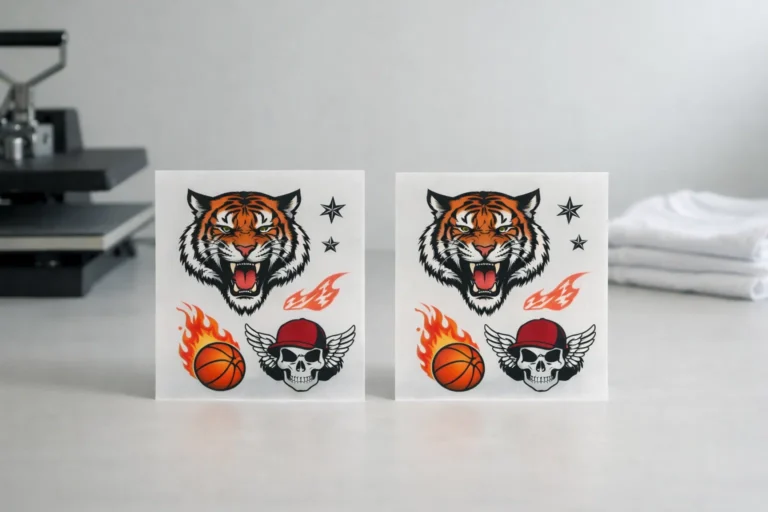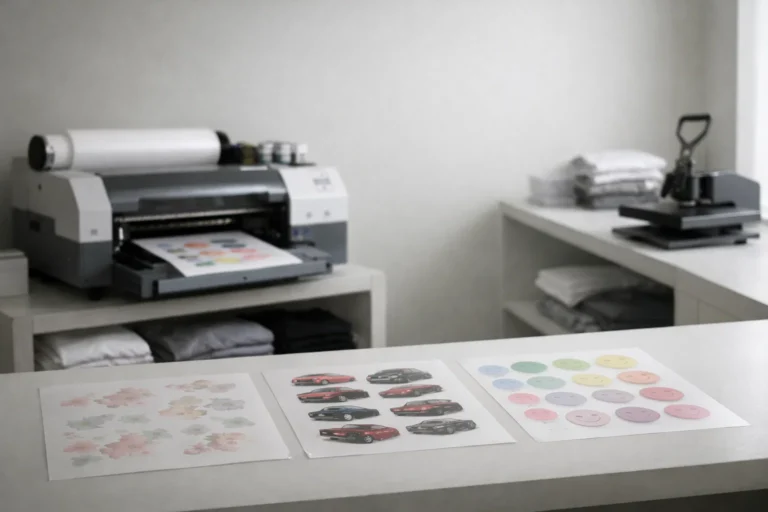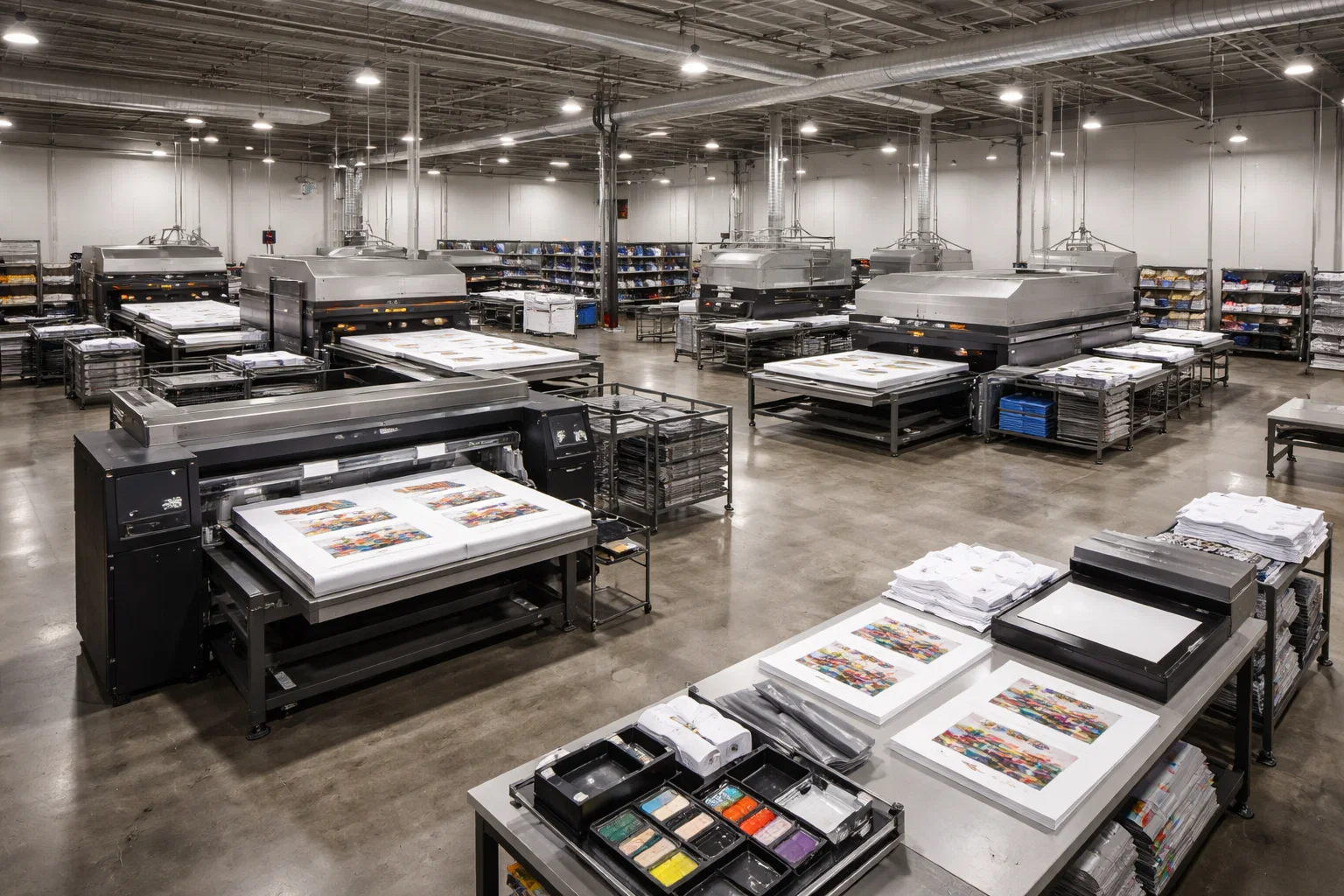
Automation supports scalable, on-demand apparel printing workflows.
Across global print markets, print shops are increasingly prioritizing automation as apparel production shifts toward faster, more flexible workflows. As order volumes grow and turnaround expectations tighten, many businesses are rethinking manual processes in favor of more efficient production systems, including those supporting DTF heat transfer and other on-demand printing methods.
The broader move toward localized production and short-run manufacturing has accelerated adoption of automated workflows across small, mid-size, and growing commercial print operations. Industry observers note that automation aligns closely with current market realities, where speed, low minimums, and consistent output are essential.
Rather than signaling a move away from craftsmanship, automation is emerging as a practical response to changing production demands in modern apparel printing.
Print Shops Reevaluate Manual Workflows
For years, manual handling and operator-driven processes defined many print shop environments. While these methods offered flexibility, they also introduced limitations related to speed, consistency, and scalability.
As demand for short-run and custom apparel increases, particularly for DTF printing and heat-applied transfers, many shops are finding that manual workflows no longer align with current production needs. Tasks such as curing, powder application, and material handling remain among the most time-consuming stages of production.
This has prompted growing interest in automation as a way to streamline operations without sacrificing quality.
Automation Expands Beyond Large-Scale Facilities
Automation was once associated primarily with high-volume industrial facilities. Today, that perception is changing as compact and modular equipment solutions make automated workflows more accessible to smaller print shops.
Automated curing systems and conveyor-based workflows are increasingly adopted by businesses scaling DTF heat transfer production while seeking to maintain consistent output. These systems allow operators to focus on quality control and order management rather than repetitive manual tasks.
As automation becomes more accessible, it is no longer viewed as an all-or-nothing investment but as a gradual upgrade path.
Consistency and Throughput Drive Investment Decisions
One of the main drivers behind automation adoption is the need for consistent results at higher volumes. Inconsistent curing and operator variability can lead to reprints and wasted materials, especially in transfer-based workflows.
Automated systems help standardize production parameters, reducing variability across batches of DTF transfers and other heat-applied graphics. This consistency is particularly valuable for print shops handling repeat orders, brand programs, and fulfillment contracts where reliability is critical.
Improved throughput also allows shops to process more orders within the same operational hours, supporting growth without proportional increases in labor costs.
On-Demand Production Increases Pressure on Efficiency
The rise of on-demand manufacturing has changed expectations across the apparel market. Brands increasingly prioritize speed, low minimums, and the ability to respond quickly to campaigns and seasonal demand.
To meet these expectations, print shops producing DTF heat transfer graphics must operate with greater efficiency and predictability. Automation supports this by reducing bottlenecks and enabling smoother production flows.
In many cases, automation is less about replacing workers and more about enabling existing teams to manage higher workloads more effectively.
Balancing Flexibility and Standardization
While automation offers clear benefits, print shops must balance efficiency with flexibility. Overly rigid systems can limit a shop’s ability to adapt to varied order types and custom requirements.
As a result, many operators choose modular automation solutions that allow adjustments across different workflows, including DTF printing, sublimation, and other heat transfer processes. This approach preserves flexibility while still delivering efficiency gains.
Hybrid production environments that combine automated systems with manual oversight are becoming increasingly common.
Industry Outlook: Automation as a Competitive Advantage
Looking ahead, automation is expected to play a growing role in determining which print shops remain competitive. As customer expectations continue to rise, businesses that invest in efficient and scalable workflows will be better positioned to meet demand.
For shops offering DTF heat transfer services, automation is increasingly viewed not only as a cost-saving measure but as a strategic investment supporting reliability, consistency, and long-term growth.
Final Thoughts
The printing industry is entering a phase where efficiency and adaptability are equally important. As on-demand apparel production becomes the norm, automation is emerging as a key factor in how print shops scale and compete.
Rather than replacing skill or creativity, automation is helping modern print operations deliver consistent quality at speed. For many businesses involved in DTF printing and heat transfer, it is becoming an essential part of the production equation.
About the Author