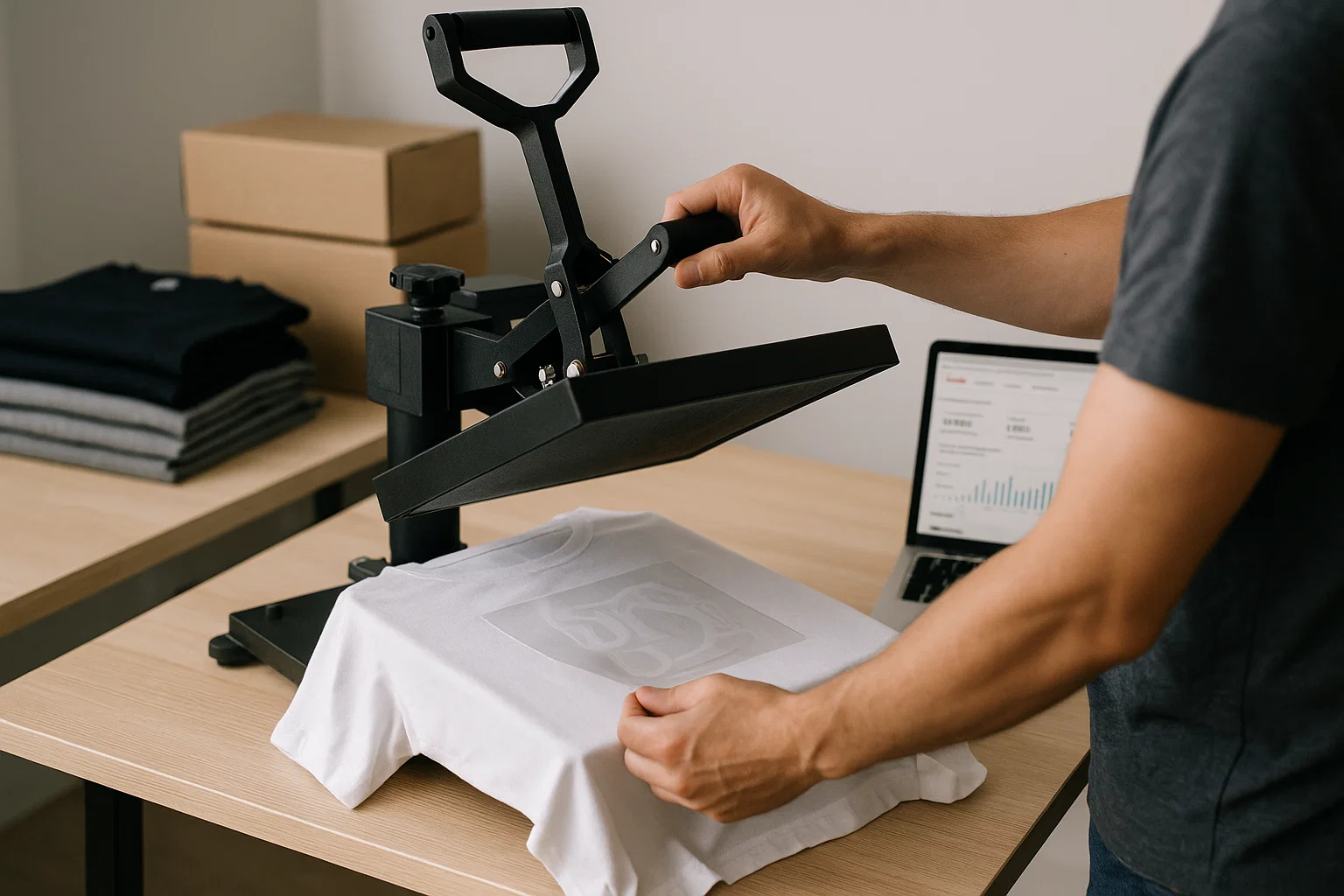
DTF transfers allow Etsy sellers to produce and fulfill custom apparel orders quickly and consistently in 2026.
In 2026, Etsy sellers are under more pressure than ever to ship faster, reduce production errors, and protect profit margins while competing in an increasingly saturated marketplace. What once worked for small scale handmade shops is no longer enough in an environment driven by speed, consistency, and rising customer expectations.
As Etsy continues to reward reliable processing times, consistent reviews, and dependable fulfillment, many sellers are rethinking how their products are made. One production method, Direct to Film printing, commonly referred to as DTF, has quickly become a practical solution for Etsy based apparel and merchandise businesses.
DTF transfers are not gaining popularity because of marketing hype. They are being adopted because they solve real operational problems that Etsy sellers face every day.
How Etsy Selling Has Changed Going Into 2026
Etsy in 2026 looks very different from what it was just a few years ago. While the platform still values creativity and individuality, many top performing Etsy shops now operate with structured production workflows and predictable fulfillment systems.
Etsy sellers today must manage:
-
Shorter buyer tolerance for long processing times
-
Increased competition within the same product categories
-
Greater impact of reviews on Etsy shop visibility
-
Rising material, labor, and shipping costs
-
Demand for multiple product types within a single Etsy shop
These pressures force sellers to adopt production methods that are flexible, repeatable, and scalable. DTF transfers align naturally with these needs.
What Makes DTF Transfers a Strong Fit for Etsy Sellers
DTF printing separates design production from garment application. Designs are printed onto PET film, cured with adhesive powder, and stored until they are applied to garments using a heat press.
For Etsy sellers, this separation is critical. Instead of printing every order from scratch, sellers can prepare transfers in advance and press garments only when an Etsy order is placed. This is especially valuable for shops handling fluctuating daily order volumes.
This workflow allows Etsy sellers to:
-
Maintain shorter Etsy processing times
-
Fulfill Etsy orders faster during peak demand periods
-
Reduce downtime caused by last minute printing
-
Avoid reprinting the same design repeatedly
In a marketplace where speed and reliability directly affect Etsy rankings and reviews, this flexibility gives DTF a clear advantage.
Faster Etsy Order Fulfillment Without Sacrificing Quality
Etsy buyers expect custom products, but they also expect fast shipping. DTF transfers help Etsy sellers meet both expectations at the same time.
During peak seasons such as holidays, promotions, or viral listing spikes, Etsy sellers may receive dozens of orders within hours. With DTF transfers already prepared, these orders can be fulfilled without restarting the printing process for each item.
In 2026, Etsy shops that consistently meet or exceed their stated processing times benefit from improved buyer trust and stronger overall shop performance. Faster fulfillment is no longer optional. It has become a competitive requirement.
Consistency Across Etsy Listings and Orders
Consistency plays a major role in long term Etsy shop success. Buyers expect the product they receive to match listing photos, descriptions, and previous purchases.
DTF transfers deliver consistent color output, sharp details, and reliable adhesion across different garment types. This consistency reduces quality related complaints and lowers the risk of negative reviews, which can significantly impact Etsy search visibility.
Many Etsy sellers report fewer reprints and lower material waste after switching to DTF based production workflows.
Fabric Flexibility Expands Etsy Product Catalogs
DTF transfers work across a wide range of materials, including cotton, polyester, blends, and performance fabrics. They can also be applied to accessories such as tote bags and promotional items commonly sold on Etsy.
This flexibility allows Etsy sellers to expand their product catalogs without investing in multiple printing systems. A single DTF workflow can support t shirts, hoodies, sweatshirts, bags, and specialty items within the same Etsy shop.
In 2026, product variety is a competitive advantage on Etsy. Sellers who can quickly test new listings and respond to changing demand trends are better positioned to grow.
DTF vs Other Printing Methods for Etsy Sellers
Traditional printing methods still have their place, but many struggle to meet the day to day demands of Etsy based businesses.
Screen printing is efficient at scale but impractical for small, varied Etsy orders. Vinyl cutting is labor intensive and limits design complexity. DTG printing offers excellent detail but requires pretreatment, controlled environments, and fabric specific workflows.
For Etsy sellers managing custom, small batch orders and unpredictable demand, these limitations often make traditional methods less practical than DTF.
Scaling an Etsy Shop With DTF Transfers
Scaling is often where Etsy sellers encounter the most difficulty. Many shops perform well at low volume but struggle to maintain quality and speed as order counts increase.
DTF systems typically require lower upfront investment than full DTG setups. Consumable costs are predictable, and batch production reduces labor pressure. Etsy sellers can increase output gradually without restructuring their entire production process.
This makes DTF especially attractive for sellers transitioning from a side project into a full time Etsy business.
Shipping, Storage, and Outsourcing Advantages
DTF transfers are lightweight and easy to store, creating new operational options for Etsy sellers. Transfers can be produced in bulk and stored without quality degradation.
Some Etsy sellers ship transfers to fulfillment partners closer to their customers. Others source transfers from specialized DTF suppliers and focus only on pressing and shipping finished products. These hybrid models help Etsy shops reduce shipping times while maintaining control over quality.
Cost Efficiency and Etsy Profit Margins
In 2026, maintaining healthy profit margins on Etsy is increasingly challenging. Platform fees, advertising costs, and shipping expenses continue to rise.
DTF transfers help Etsy sellers control costs by reducing waste, minimizing reprints, and improving labor efficiency. Batch printing lowers per unit costs and allows sellers to plan production more effectively.
Many Etsy shops find that DTF based workflows result in more predictable margins and fewer operational surprises.
Staying Compliant With Etsy Policies
Etsy requires transparency about how products are made, especially for handmade and made to order listings. DTF printing can comply with Etsy policies when production methods are disclosed clearly in listings.
Etsy sellers who explain their process honestly and deliver consistent quality build long term trust with buyers and avoid policy related issues. In 2026, reliability and transparency matter more than the specific printing method used.
Is DTF the Right Choice for Every Etsy Seller?
DTF is not the ideal solution for every Etsy shop. Sellers focused exclusively on premium cotton garments with photo realistic prints may still prefer DTG. Others may combine multiple printing methods depending on product type and order volume.
However, for Etsy sellers prioritizing speed, flexibility, and scalability, DTF transfers offer clear advantages.
Many successful Etsy shops in 2026 use DTF as a core production method while remaining adaptable as their business evolves.
Final Thoughts
Etsy sellers are turning to DTF transfers because they address real business challenges, not because they are trendy. As competition increases and buyer expectations continue to rise, production efficiency has become a defining factor for success.
As Etsy evolves toward faster fulfillment standards and higher seller performance expectations, production methods like DTF are likely to play an even larger role in how successful shops operate in 2026 and beyond.
About the Author